


If you've been watching the 2026 FIFA World Cup, you may have noticed something unusual: there seem to be a lot more goals.
Is it your imagination, or are teams really scoring more?
While it's still early in the tournament, several factors may be contributing to this trend. Surprisingly, it isn't just one thing. It appears to be a combination of a larger tournament, changing tactics, weather conditions and the way modern soccer is played.
The Biggest Change: More Teams
For the first time ever, the World Cup has expanded from 32 to 48 teams. Instead of 64 matches, there are now 104. More countries have an opportunity to participate, which has been celebrated as a victory for global soccer.
However, expansion also creates larger differences in skill levels. In previous tournaments, only the strongest nations qualified. Now, more developing soccer nations are competing against established powerhouses. This can sometimes lead to lopsided matches and more goals.
Some critics argue that the tournament has become too large, while supporters believe it gives deserving nations a chance to shine on the world's biggest stage.
Modern Soccer Is More Aggressive
Today's game is faster and far more attacking than it was 20 years ago.
Teams now use a tactic called high pressing, where players try to win the ball back near their opponent's goal instead of waiting in their own half.
This creates more scoring opportunities but also leaves defenses exposed.
In other words, teams are taking more risks.
England manager Thomas Tuchel has embraced this philosophy, saying coaches should "encourage them to play with freedom, especially in the attacking position."
That mindset reflects a broader shift in world soccer. Coaches increasingly reward creativity and aggressive play rather than simply protecting a 1-0 lead.
Data and Technology Are Changing the Game
Modern teams rely heavily on data.
Coaches can now analyze player movement, passing patterns, sprint speeds, fatigue levels and even the distance each player runs during a match.
This information helps teams identify weaknesses and create more efficient attacks.
Soccer has become as much a science as an art.
Heat Is Playing a Bigger Role
The 2026 World Cup is being hosted across Canada, the United States and Mexico, with some matches taking place in extremely hot conditions.
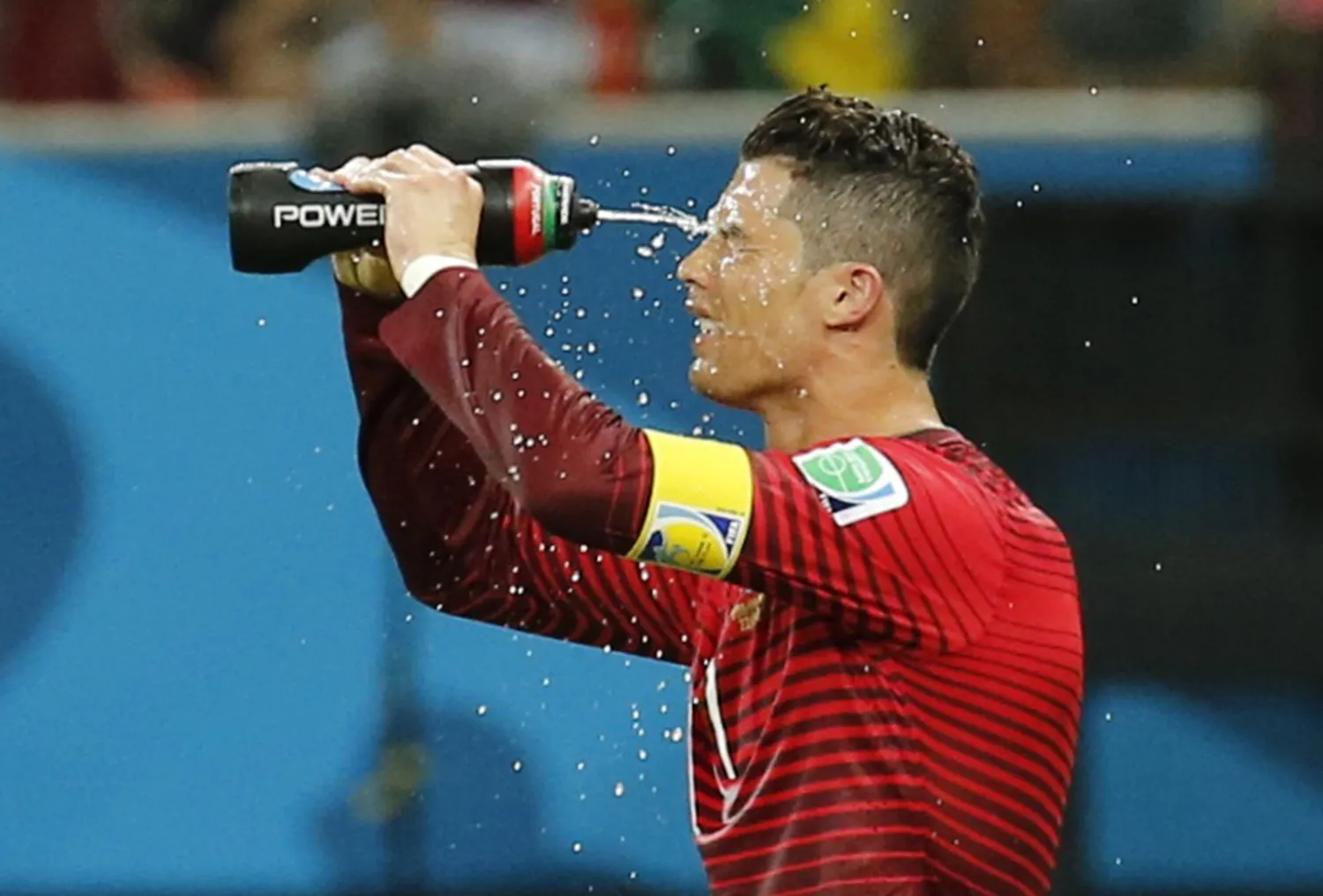
Heat affects players differently than cooler weather. Fatigue can set in earlier, leading to defensive mistakes late in games.
To address this, FIFA introduced mandatory hydration breaks. During these short pauses, players cool down and rehydrate.
FIFA President Gianni Infantino defended the decision, saying the breaks were "purely sporting, not commercial."
" Climate change is one of the biggest challenges facing future generations, and sport will not be immune to its effects." (David Beckham, Retired Football Player)
"Player health and safety must always come first.” (Gianni Infantino, FIFA President)
Not everyone agrees.
Uruguay coach Marcelo Bielsa argued that the additional pauses fundamentally change the sport, saying that football is now being played "four times instead of two". Essentially, Bielsa argued that hydration breaks split each match into four mini-games instead of two halves, disrupting soccer's continuous flow and giving coaches more opportunities to influence play.
The debate continues, but everyone agrees that climate and player safety are becoming increasingly important in professional sports.
Does the Ball Matter?
Believe it or not, the soccer ball itself is often a source of controversy.
Throughout World Cup history, players have debated whether a new ball travels faster, curves more or behaves differently in the air.
Austria coach Ralf Rangnick even compared the 2026 World Cup ball to a "cannonball."
The official 2026 World Cup ball was designed by Adidas specifically for a tournament spanning three countries and varying climates. It contains a tiny motion sensor that transmits data hundreds of times per second, helping officials make offside and handball decisions. The ball also features a more aerodynamic design, fewer and larger panels, and a textured surface intended to improve grip and consistency.
While experts don't believe the ball alone explains the increase in goals, small equipment changes can influence the game.
A New Era of Soccer
Years ago, many teams prioritized defense.
Today, fans expect excitement.
More goals create more dramatic comebacks, highlight-reel moments and unforgettable matches.
Still, some people worry that too many goals could indicate an imbalance between stronger and weaker teams.
Regardless of where you stand, one thing is certain: the 2026 World Cup is changing the way people think about international football (soccer).
Years from now, historians may remember this tournament for one question above all others: Did expanding the World Cup make the game better?
The answer may ultimately be measured in goals. And judging by this year's tournament, there are plenty of them.