


Do you remember your first bicycle? Betcha do!
Maybe it was brightly coloured, perhaps it had training wheels (or not, LOL). Can you still remember the thrill - and slight terror - of the moment someone let go and you discovered you could ride a bike by yourself?
A bicycle was more than a toy. It was freedom.
Suddenly, you could go to a friend's house, explore your neighbourhood or simply ride wherever your imagination took you (and your parents permitted). For many of us, our first bicycle was our first taste of independence.
And bicycles have been providing that feeling for more than 200 years.
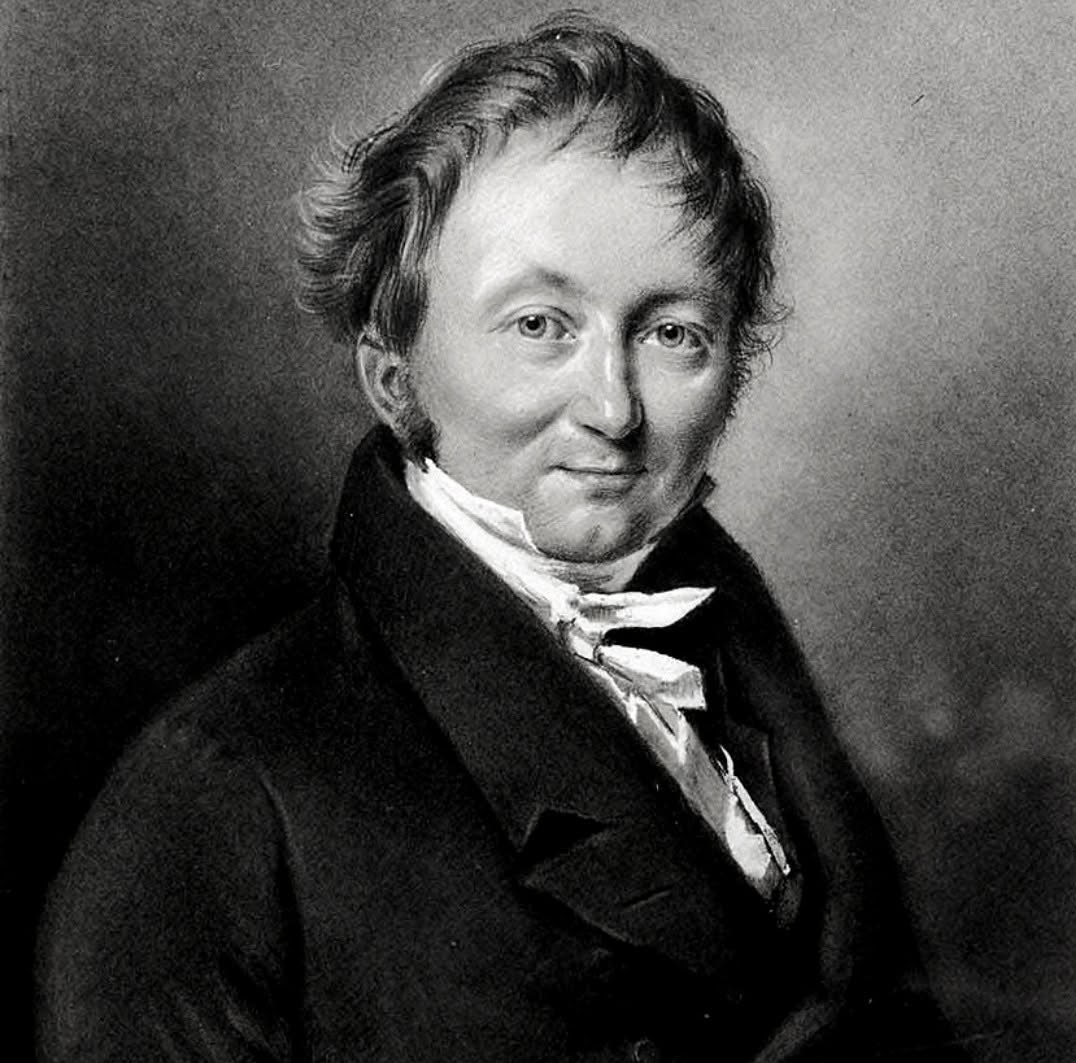
The modern bicycle has a surprisingly long history. In 1817, German inventor Karl Drais introduced his laufmaschine, a two-wheeled "running machine" that riders propelled with their feet. Pedals came later, transforming the bicycle into the machine we know today.
Over time, cycling evolved from novelty to an important form of everyday transportation. Today, cities around the world are investing in bike lanes and cycling infrastructure as they look for healthier, cleaner and more sustainable ways for people to move around. There’s even a cycling index that ranks bicycle-friendly cities!
I was once that starry eyed-kid with her first blue CCM cycle, and now I find myself volunteering as a “pilot” for the Copenhagen-based, global non-profit organization Cycling Without Age.
And that’s where my cycling story takes an unexpected turn.
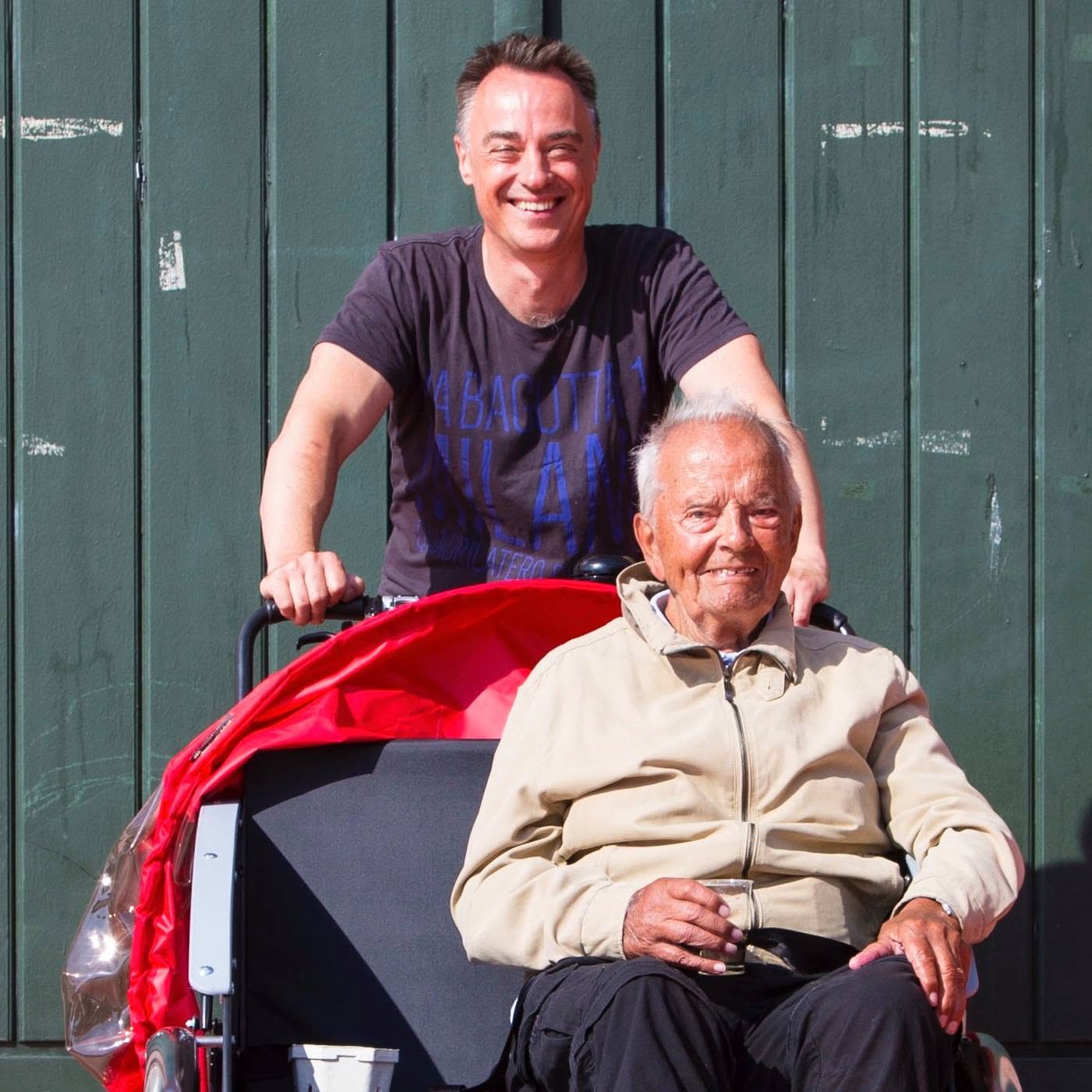
The movement began in Copenhagen in 2012, when Danish founder Ole Kassow wanted to help older people who could no longer cycle themselves experience the freedom of being on a bicycle again.
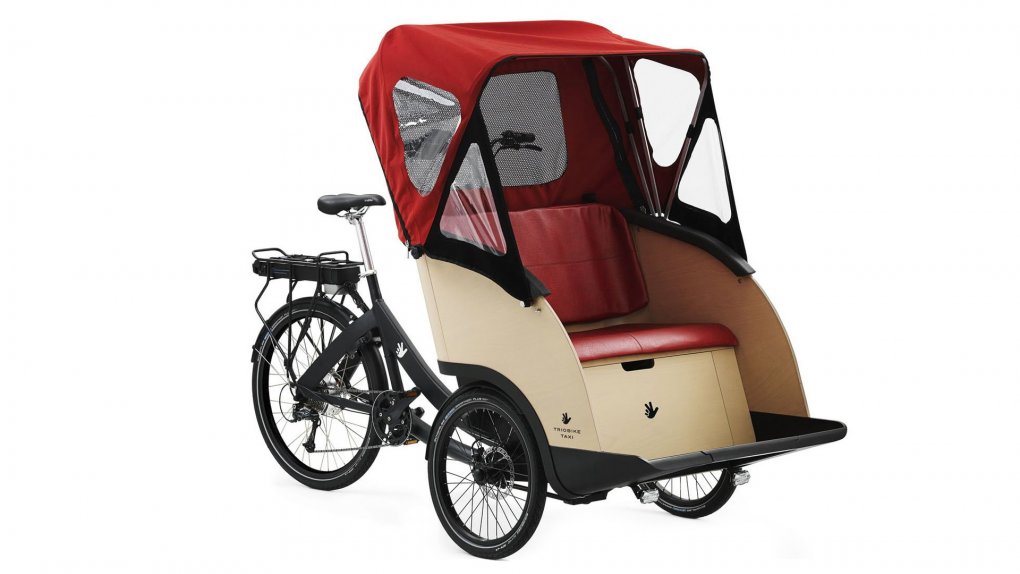
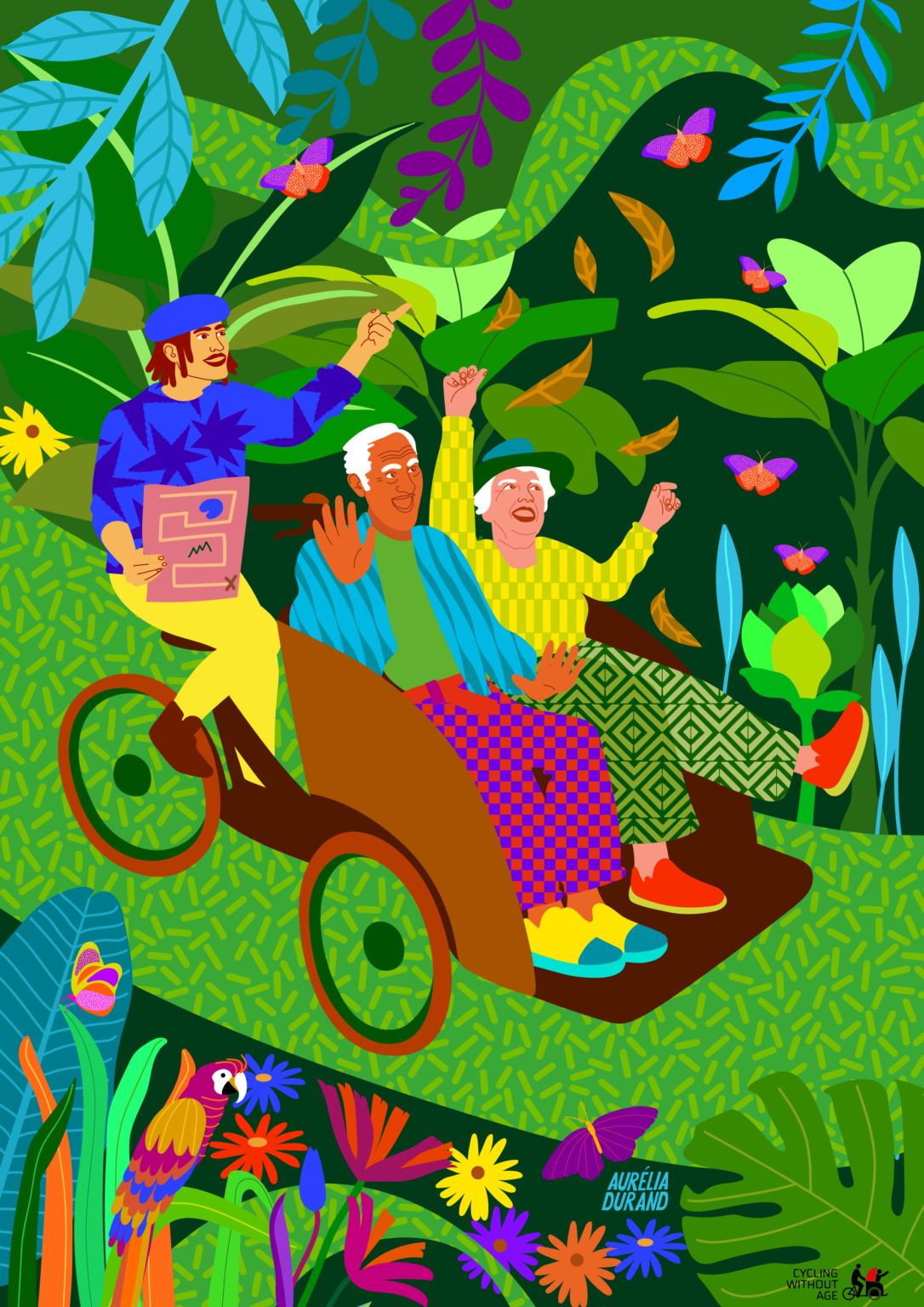
His solution was wonderfully simple: a trishaw, a three-wheeled bicycle with a comfortable seat at the front for passengers and a volunteer cyclist at the back.
The volunteers, like me, take older people and people with reduced mobility out for rides. There is no charge, no race and no destination that has to be reached.
There is simply the pleasure of being outside.
Passengers can revisit familiar neighbourhoods, discover new places, chat with their pilot, share memories and feel the breeze on their faces.
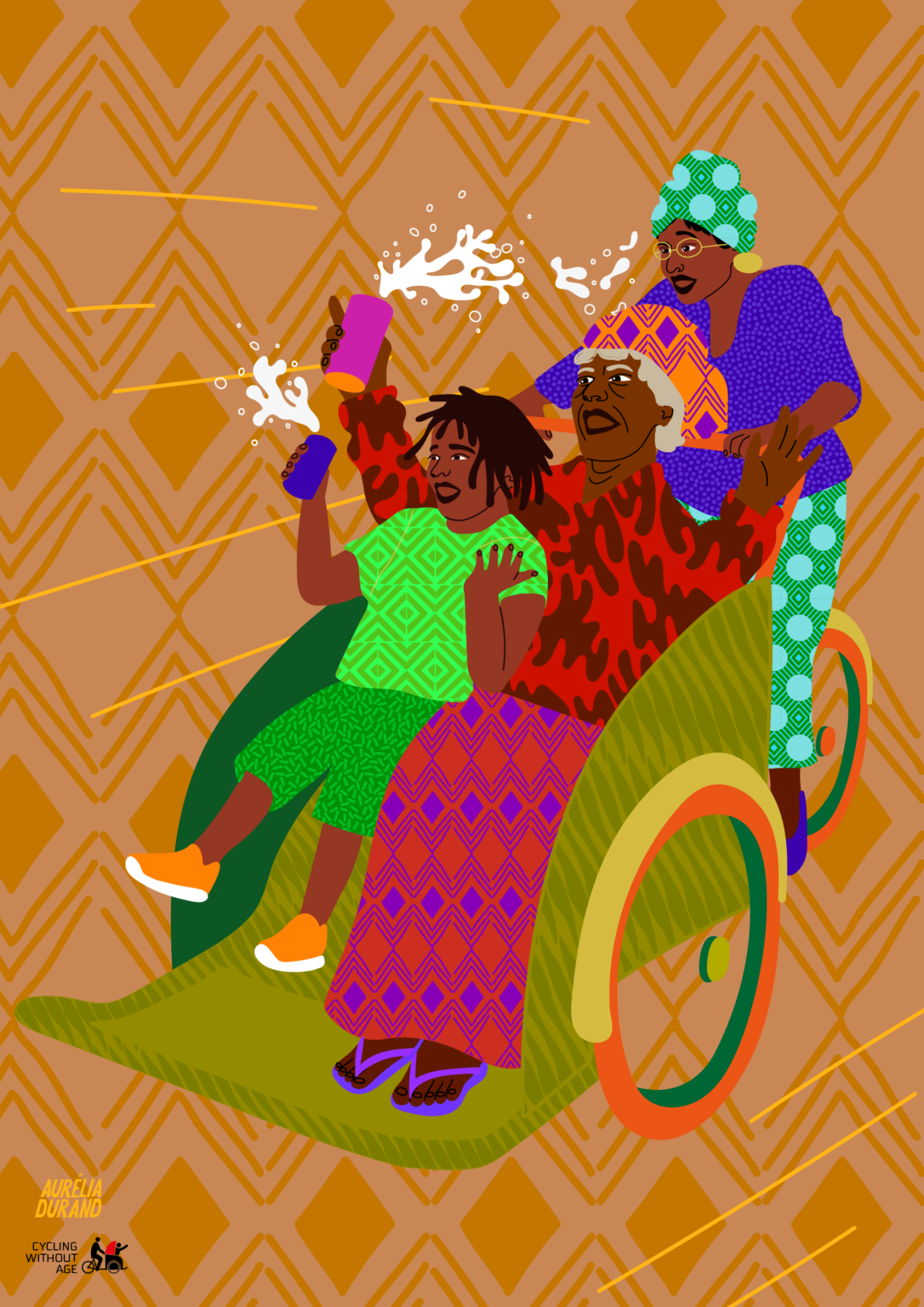
The idea caught on.
What started in Copenhagen has grown into an international movement operating in more than 42 countries.
Its philosophy is beautifully expressed in its motto: the right to feel the wind in your hair.
And perhaps that is why Cycling Without Age resonates so strongly.
Think back to your first bicycle. You probably weren't thinking about fitness, transportation or competition. You simply wanted to ride. To feel the wind. To see where the road would take you. To experience that wonderful feeling of being free.
That's what Cycling Without Age is all about.
The bicycle may have changed. The feeling hasn't.
Want to become a pilot or establish a Cycling Without Age chapter? Start here: https://cyclingwithoutage.org/