


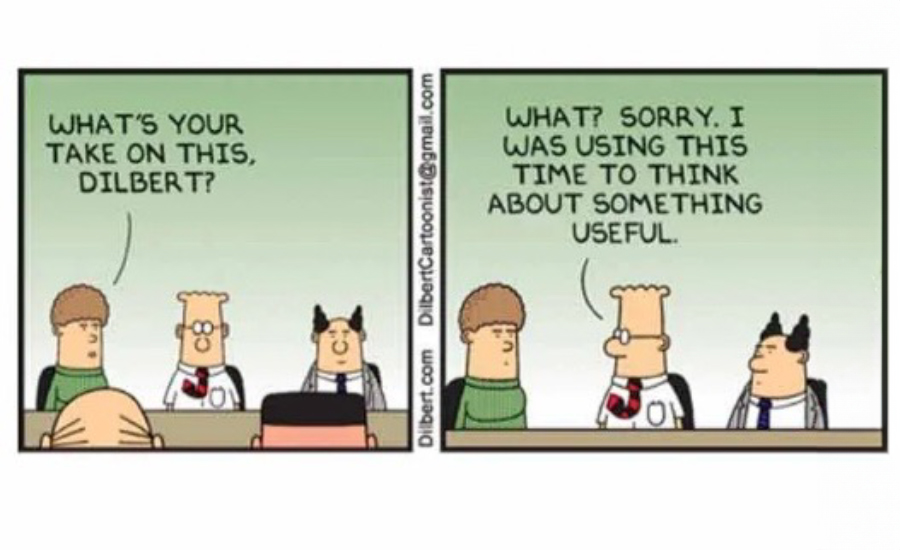
For 34 years, Dilbert held up a mirror to corporate life, turning office absurdities into universal humor. Launched on April 16, 1989, it became a phenomenon: syndicated in over 2,000 newspapers worldwide. Its humor was sharp, minimalist and painfully familiar - every cubicle worker saw themselves in its panels.
Scott Adams: The Mind Behind the Strip
Scott Adams, the creator of Dilbert passed away last week at the age of 68 from prostate cancer. Adams had no formal training in art or design, but was always a doodler. His background was in economics and business, earning a BA and an MBA from UC Berkeley, with years of corporate experience as a teller, programmer, analyst and supervisor. These roles gave him the insight to satirize office life. Adams eventually became a full-time cartoonist, amassing a huge fan base.
Learn more about Adams’ journey here:
At its peak, Dilbert had an estimated 150 million daily readers, mostly adults who worked in offices. Other successful comic strips, such as Peanuts and Garfield reached large but different audiences. Peanuts ran in over 2,600 newspapers, drawing an estimated 350 million daily readers with family-friendly humor, whereas Garfield appeared in about 2,580 papers, reaching 200–300 million readers, appealing broadly to families and casual readers.
Why Dilbert Resonated
The comic succeeded because it was deeply relatable and sharply satirical.
“Talking about other people is the skill of humor.” (Scott Adams, Creator of Dilbert)
Endless meetings, bureaucracy, clueless bosses and buzzword-laden memos were universal experiences. Its minimalist art and recurring cast made it instantly recognizable, while its absurdist humor turned workplace frustration into shared laughter.
Characters That Defined an Era
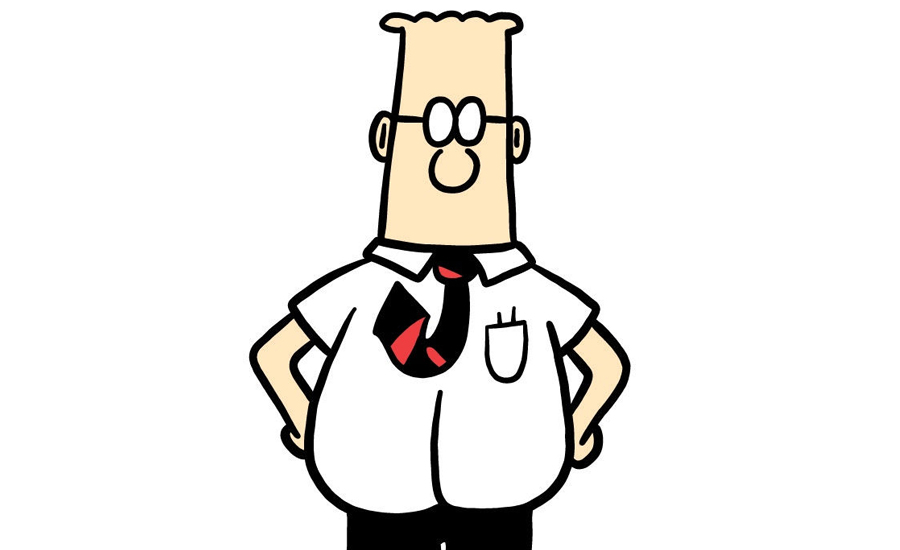
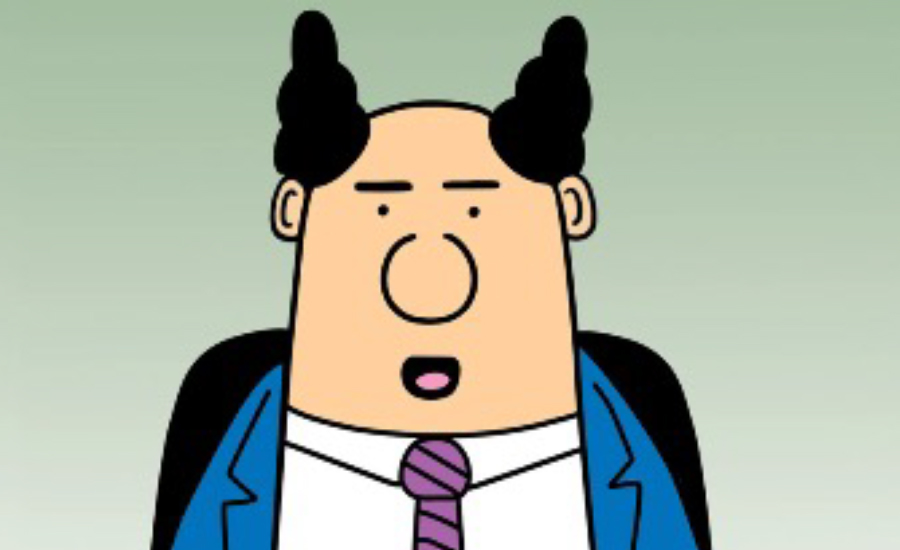
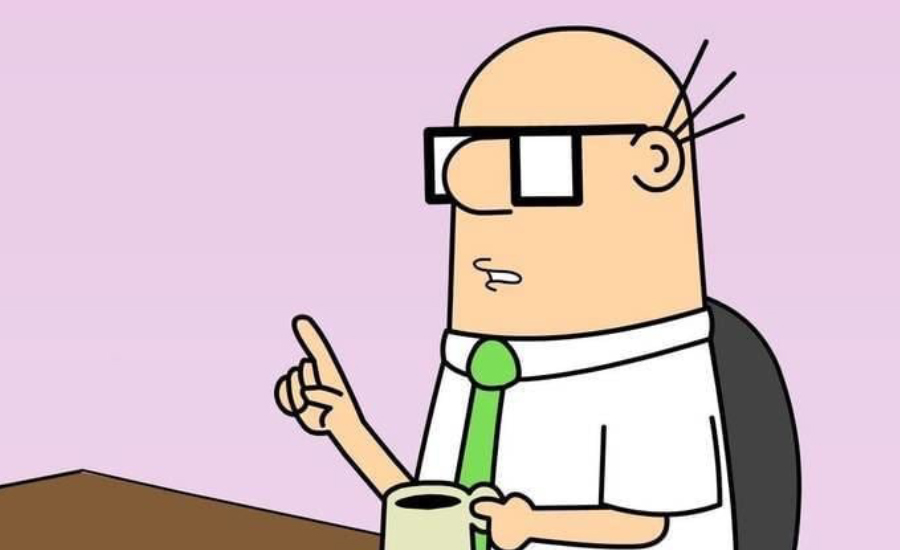
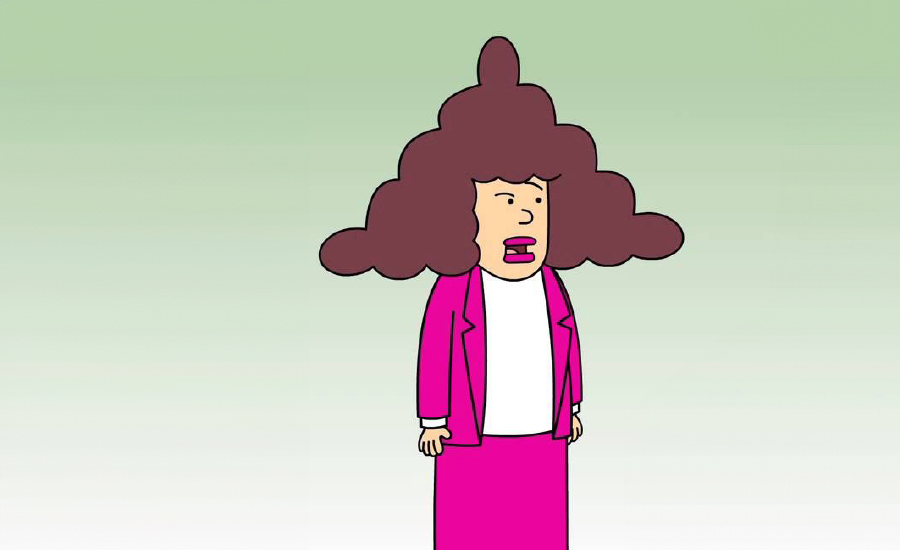
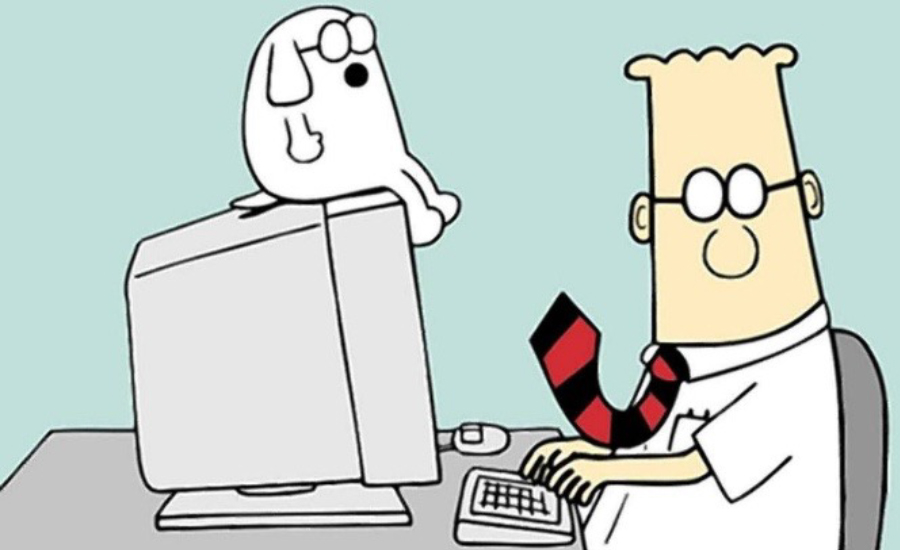
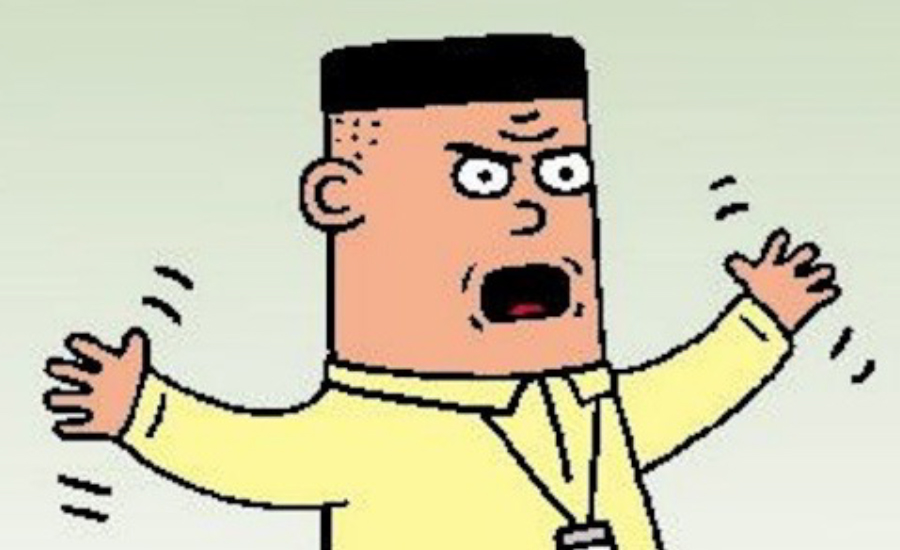
For a detailed description of all Dilbert characters, click here.
Catchphrases and Cultural Legacy
Dilbert gave rise to phrases now part of corporate lexicon:
- “Dilbert Principle” - Satirical theory of promoting the least competent.
- Pointy-Haired Boss - A shorthand for clueless management.
- Confusopoly - Deliberate corporate complexity.
- Elbonia - Fictional outsourcing country representing absurd business logic.
The Controversial Comment That Ended Syndication
In February 2023, Adams made widely condemned racist comments on a livestream, after which newspapers and syndicates dropped Dilbert, ending its mainstream run. As many said, “He was only as good as his last remarks”. And, thus, Dilbert came crashing down and Adams became, in his own words, “disgraced and cancelled”.
“If you believe the news, [Dilbert was cancelled] because I am a big ‘ol racist.” (Scott Adams, Dilbert Creator)
Final Strip, Lasting Impact
Though its original run ended and the creator became controversial, Dilbert remains a touchstone of office satire. Its humor, characters and iconic strips - from Wally’s laziness to Dogbert’s schemes - continue to influence memes, office jokes and the shared understanding of workplace absurdity.
Now that you’ve read today’s blog, why not take what you’ve learned and play today’s matching quiz on your Quizefy app? Many of the answers can be found right here. We publish an on-trend, hint-filled blog at www.quizefy.com every Tuesday, along with a matching quiz in your Quizefy app. We think they’re a great combination and a great way to Strut Your Smart.