


U.S. debates over border security and immigration are intense and can be confusing. Part of the reason? “Enforcement” doesn’t mean the same thing to everyone.
First, let’s understand where this wave of American immigration concern comes from:
Now, here’s a clear breakdown of the folks who are currently charged with enforcing immigration policies in America:
Federal Agencies
1. U.S. Customs and Border Protection (CBP)
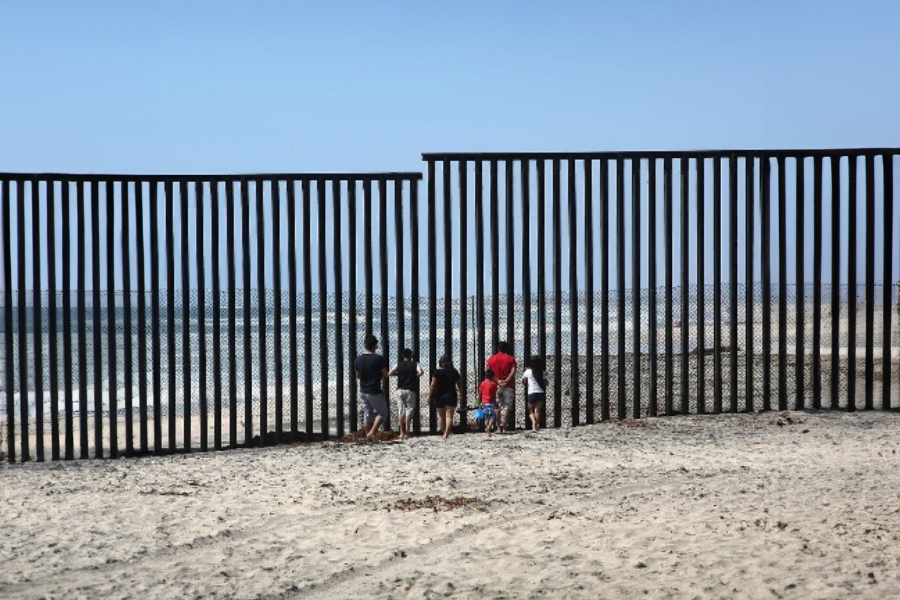
- Patrols physical borders and ports of entry (airports, land, sea)
- Authorized to search and inspect without warrants in the “border zone” (up to 100 miles from the border)
- Main focus: entry control
2. Immigration and Customs Enforcement (ICE)
- Handles interior enforcement, including detention and deportation
- Investigates immigration violations and criminal activity related to immigration
- Main focus: presence and compliance inside the U.S.
A great movie about an ICE situation is “The Visitor” – check it out!
State & Local Agencies
Local Police & County Sheriffs
- Enforce state and local criminal laws, not federal immigration laws
- May cooperate with federal agencies under formal agreements (task forces, info sharing)
- Cannot deport anyone; limited role in immigration enforcement
The National Guard: Roles & Authority
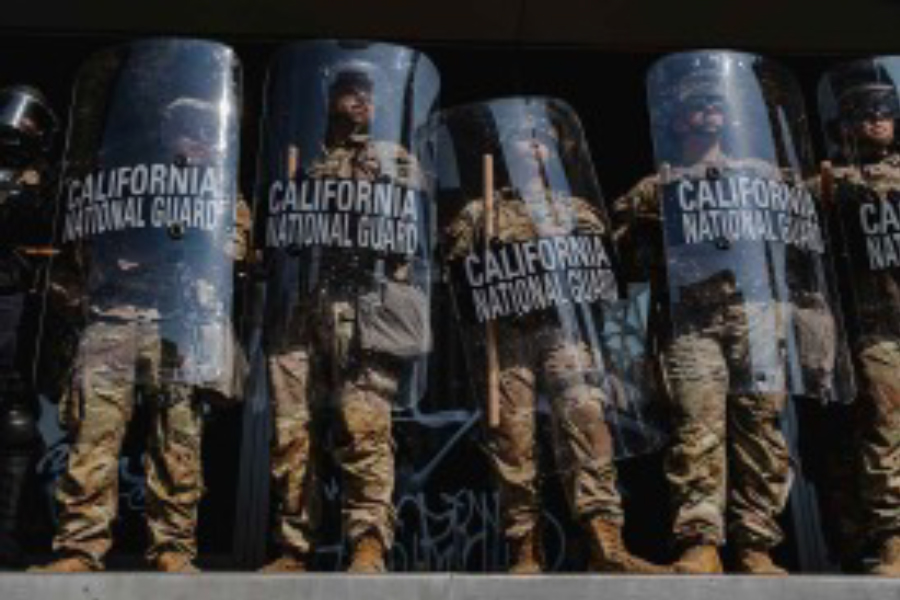
The National Guard is a state-based military force that can be deployed in two ways:
1. State-Controlled (Title 32)
- Deployed by a governor
- Can support border operations, including logistics, surveillance, and checkpoints. Can handcuff or arrest people if state law and the governor’s orders authorize it. Can use lethal force only under the same rules as police (e.g., self-defense or defense of others)
2. Federalized (Title 10)
- Deployed by the President
- Becomes part of the federal military
- Cannot perform civilian law enforcement (no arrests or deportations)
- Can only use force in military contexts, not for policing civilians
Key point: The Guard can act like police only under state control and even then, their use of force is legally restricted. Federal deployment is purely supportive.
Why the Debate Feels Confusing
When people hear “border enforcement,” some think of patrolling the line, some think of interior raids and others think of the legal system itself. Throw in the overlap of federal, state and local roles - plus the National Guard’s hybrid missions – no wonder the average person is confused.
Key takeaway:
- CBP handles entry
- ICE handles interior immigration enforcement
- Local police enforce state and local law
- National Guard provides support under state or federal authority, with policing authority only under state command
Note: Across local, state, federal and National Guard personnel, the U.S. has roughly 1.36 million enforcement agents, which translates into about 1 for every 246 people.
As one immigration scholar observed, enforcement is “not a single tool, but a system of institutions operating under separate mandates.” Understanding who does what helps clarify the debate, even if it doesn’t settle policy disagreements or concerns about the way these policies have and/or are currently being carried out.

Now that you’ve read today’s blog, why not take what you’ve learned and play today’s matching quiz on your Quizefy app? Many of the answers can be found right here. We publish an on-trend, hint-filled blog at www.quizefy.com every Tuesday, along with a matching quiz in your Quizefy app. We think they’re a great combination and a great way to Strut Your Smart.