


As another FIFA Men's World Cup comes to a close, football fans around the globe begin the familiar four-year wait. But before packing away your jersey, consider this: the world's fastest-growing football tournament is only just hitting its stride.
The FIFA Women's World Cup.

Many fans still see the women's tournament as a smaller version of the men's game. The numbers tell a very different story.
When the inaugural Women's World Cup kicked off in China in 1991, only 12 nations competed. About 510,000 fans attended the tournament. Commercially, it was little more than an experiment.
Fast forward just 32 years.
By 2023, the tournament had expanded to 32 teams, nearly 2 million spectators, almost 2 billion viewers across television and digital platforms, and more than US$570 million in revenue.
Think about that growth.
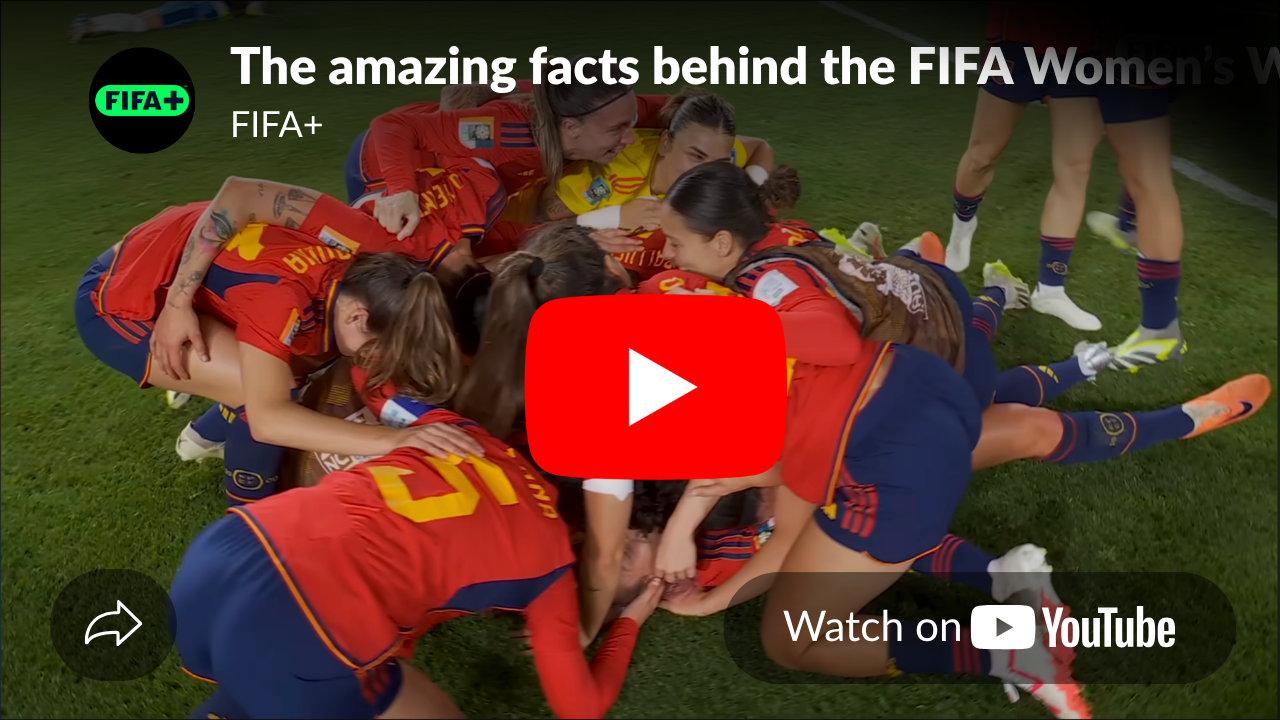
In just over three decades, attendance has increased by almost 290%, participating nations by 167%, and revenues have grown from virtually nothing to well over half a billion dollars. Few sporting properties anywhere in the world have experienced that level of sustained growth.
Yes, the Men's World Cup remains football's financial giant. The 2026 tournament is expected to generate roughly US$10 billion in revenue. But that comparison overlooks an important fact: the men's tournament has been building its commercial empire since 1930 - more than 60 years longer than the women's competition.
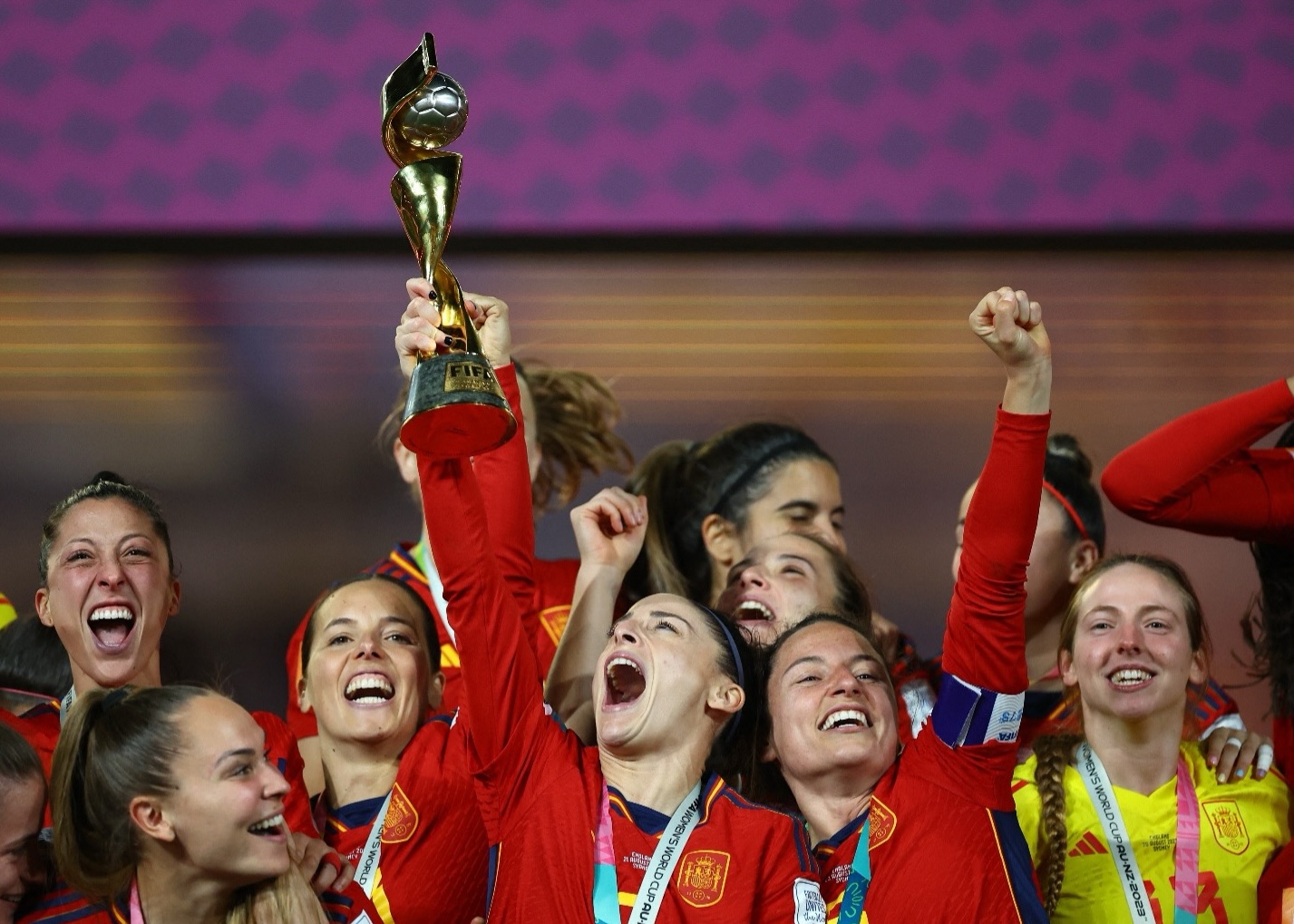
The better comparison isn't today's size; it's the trajectory.
Corporate sponsors have noticed. Broadcasters have noticed. Governments have noticed. Following the 2023 tournament, countries invested heavily in women's football facilities, professional leagues expanded, and youth participation surged. The Women's World Cup has become far more than a sporting event; it has become an economic engine for the global game.
So why do many football fans still hesitate? Much of it comes down to comparison.
Elite men's football is generally faster, stronger, and more explosive. That's not a matter of opinion, it's the predictable result of physiology.
After puberty, testosterone drives significant differences in athletic performance. On average, men possess 35–40% more total muscle mass than women and roughly 50–60% more upper-body muscle mass. Even in the lower body - the engine of football - men typically have 25–35% more muscle mass, allowing them to accelerate faster, jump higher, and strike the ball with greater force. Men also have larger hearts and lungs relative to body size, about 10–12% higher hemoglobin levels, which improves oxygen delivery to muscles, and a 15–20% greater aerobic capacity (VO₂ max) among elite athletes. Combined, these physiological differences explain why male players generally sprint faster, recover more quickly between repeated high-intensity efforts, and generate greater power throughout a 90-minute match.
But biology explains differences - it does not determine entertainment value.
Judging the Women's World Cup solely against the men's game is like criticizing Olympic marathoners because they cannot match the speed of 100-metre sprinters or dismissing MotoGP because Formula 1 cars are faster. Different competitions showcase different strengths.
"There’s no better feeling than stepping out on the field and stunning them all by doing what none of them thought you could do.” (Ashlyn Harris, retired American professional soccer goalkeeper)
"I am building a fire, and everyday I train, I add more fuel. At just the right moment, I light the match.” (Mia Hamm, retired American professional soccer forward)
Women's football deserves to be appreciated on its own terms. Many longtime supporters point to its emphasis on tactical organization, passing combinations, movement off the ball, and disciplined team play. The slightly slower pace often allows these elements to become even more apparent. Rather than relying primarily on physical dominance, matches frequently reward positioning, anticipation, and collective strategy. Let’s think of it as a smarter game.
If you've never watched a Women's World Cup, don't spend your first match comparing every sprint to Kylian Mbappé or every pass to Lionel Messi. Watch it the way you would any new league. Pick a country to support. Learn the names of a few players. Follow the tactical storylines. Give it two or three matches before forming an opinion.
That's how most of us fell in love with football in the first place.
The Men's World Cup will likely continue to be the sport's biggest stage for some time yet. But the Women's World Cup is creating something equally compelling: one of the fastest-growing brands in global sport. In just 32 years it has evolved from a niche competition into a tournament that attracts millions of fans, billions of viewers, and hundreds of millions of dollars in commercial investment.
As the men's tournament fades into memory, the countdown to Brazil 2027 begins. Don't watch the Women's World Cup because it's the women's version of football. Watch it because it's becoming one of football's greatest success stories.
https://www.fifa.com/en/tournaments/womens/womensworldcup/brazil-2027/tickets