


The FIFA World Cup Final is football's biggest stage, but even longtime fans are often surprised by some of the rules that apply only to the tournament's championship match. As the countdown to this year's final begins, here are seven facts worth knowing before kickoff.
1. There Is No Replay
Unlike some domestic cup competitions, the World Cup Final cannot end in a replay. If the score is tied after 90 minutes, the match goes to 30 minutes of extra time. If it's still level after 120 minutes, the champion is decided by a penalty shootout.
Did you know?
For the first time since 2002, the FIFA World Cup is being played without an Official Timekeeper. Swiss watchmaker Hublot ended its 16-year partnership after the 2022 tournament, while Axia Time now serves as the Official Licensed Timepiece, a different type of partnership.
2. Yellow Cards Are Reset Before the Semifinals
Players can miss matches because of yellow-card accumulation during the tournament, but FIFA clears accumulated yellow cards before the semifinals. This rule helps ensure that players aren't forced to miss the final simply because they collected cautions earlier in the competition.
.png)
A player can still miss the final if they receive a red card or are suspended for another disciplinary reason.
3. Five Substitutions Are Allowed
Like most top-level competitions today, teams may make up to five substitutions during normal time. If the match goes to extra time, each team receives one additional substitution, giving coaches another tactical option when players are tiring.
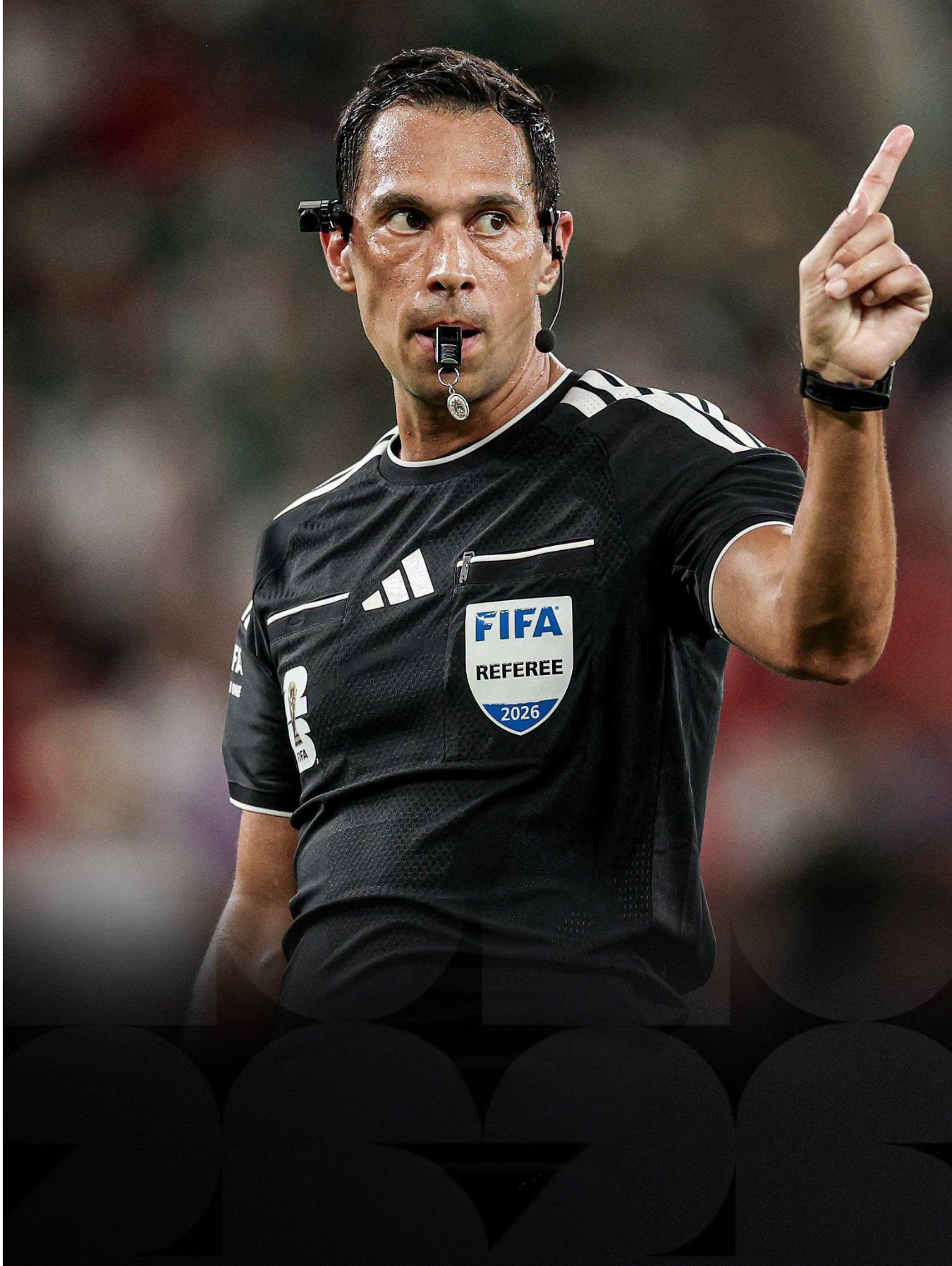
4. VAR Is Used Throughout the Match
The Video Assistant Referee (VAR) remains available during the final. Officials can review potential penalties, goals, red cards and cases of mistaken identity. The on-field referee always makes the final decision after reviewing the footage when necessary.
5. The Winning Team Doesn't Keep the Original Trophy
The famous FIFA World Cup Trophy appears during the presentation ceremony, but the champions do not take the original trophy home permanently.
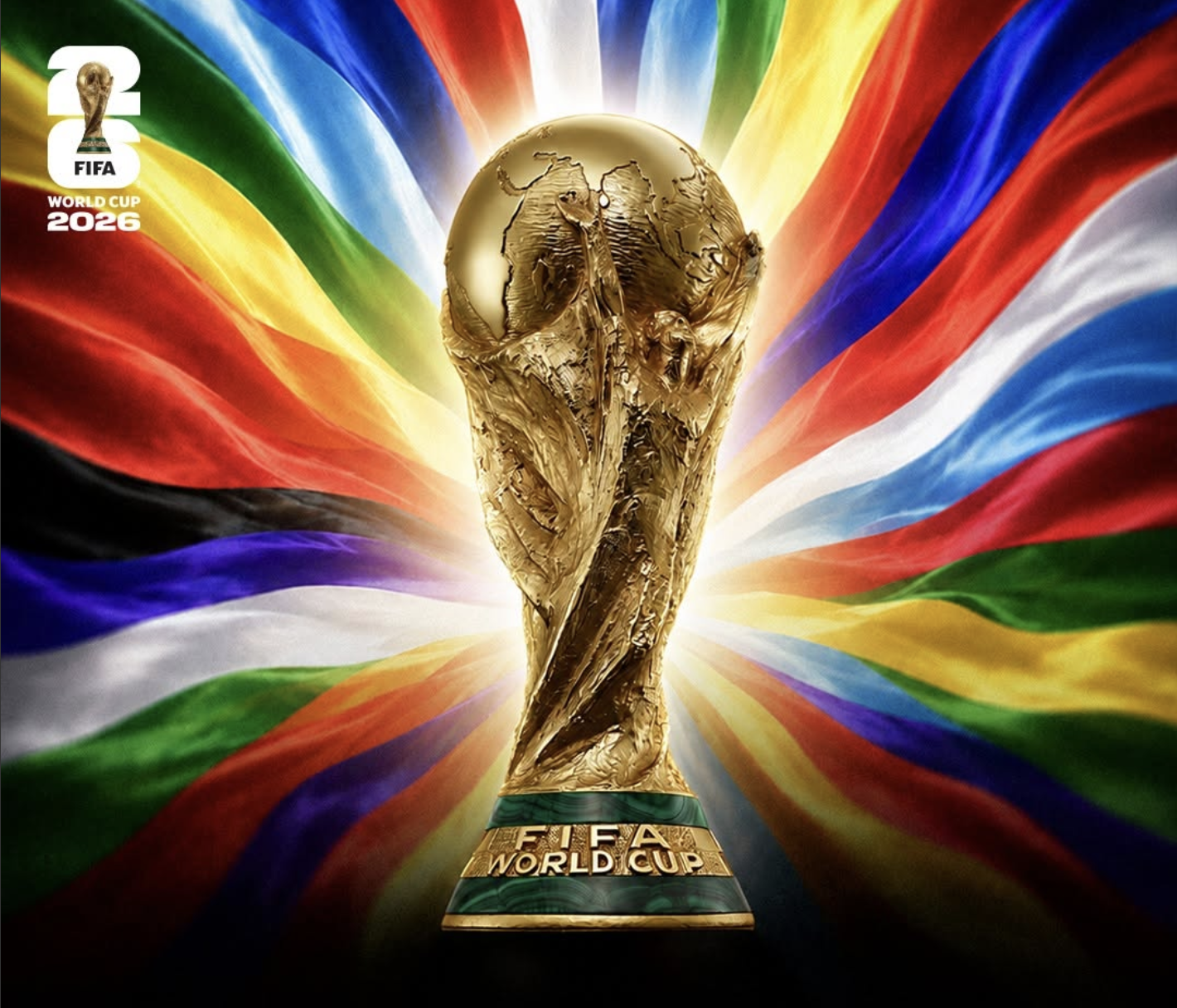
The original remains FIFA's property. The winning nation receives an officially approved replica to keep.
6. Winning the World Cup Pays - Literally
Lifting the trophy brings more than sporting glory. FIFA awards prize money based on how far each nation advances, with the 2026 champions earning a record US$50 million and the runners-up receiving US$33 million. The prize money is paid to each national football association, which then determines how much is distributed to players, coaches and support staff through performance bonuses.
Recent examples show just how significant those bonuses can be:
- Following Argentina's 2022 World Cup victory, players and staff shared substantial championship bonuses in addition to the nation's prize money.
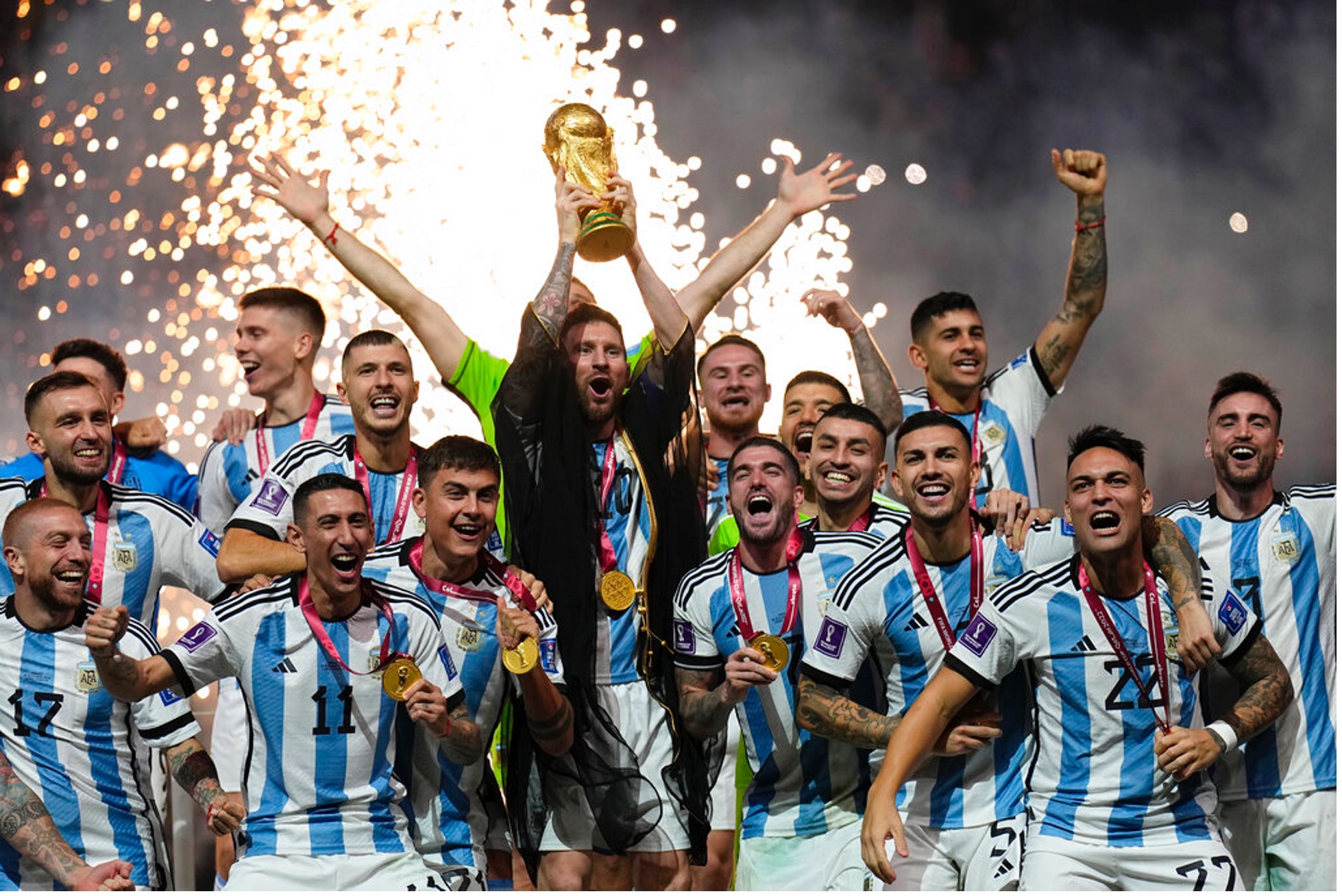
- If England wins the 2026 World Cup, reports indicate the squad and coaching staff could split bonuses worth approximately £19 million, with manager Thomas Tuchel eligible for a bonus of around £3 million.
7. Individual Awards Can Be as Prestigious as the Trophy
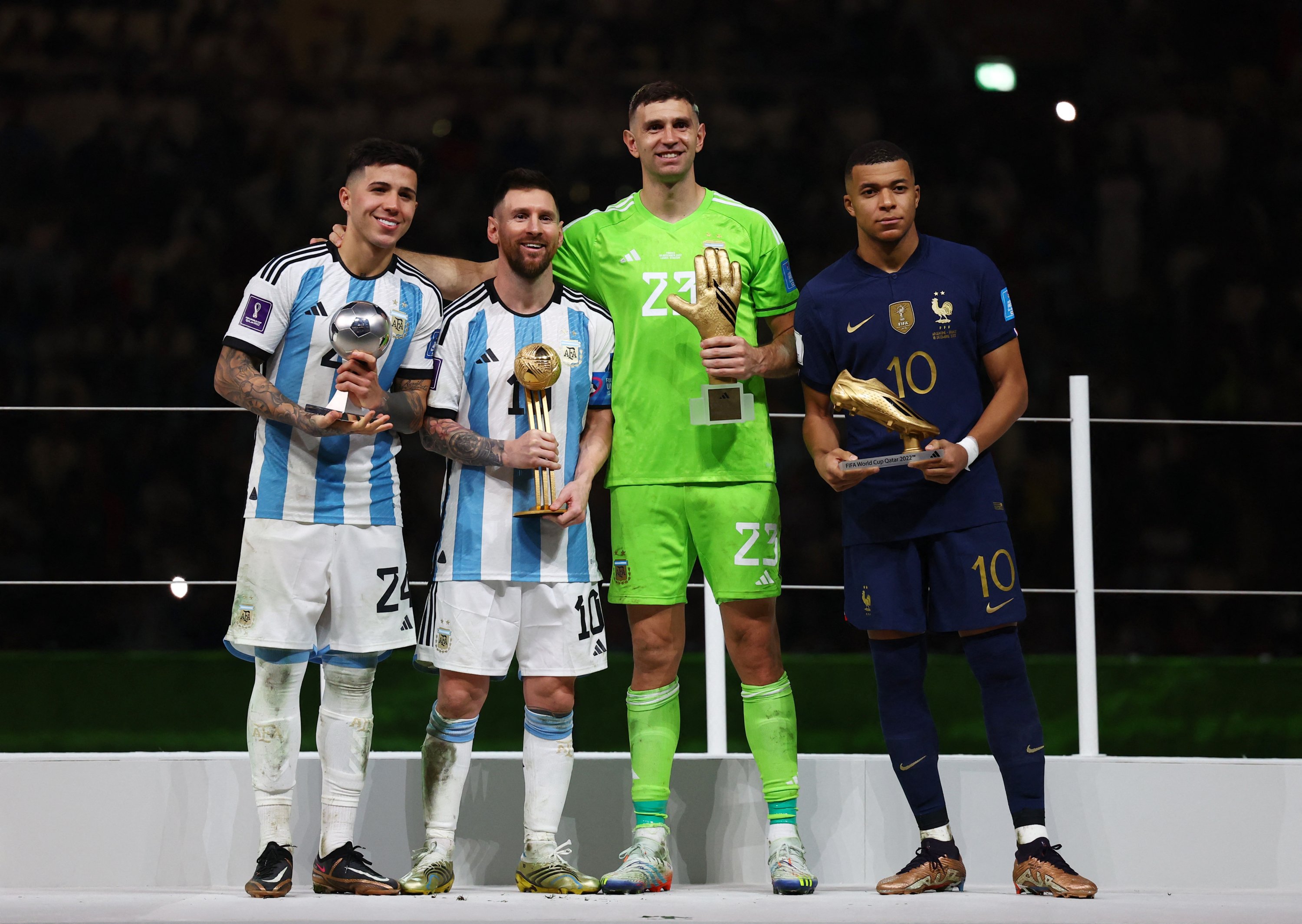
The World Cup recognizes outstanding individual performances as well as the champion. At the conclusion of the tournament, FIFA presents four major individual awards:
- Golden Ball – Best player
- Golden Boot – Top goal scorer
- Golden Glove – Best goalkeeper
- Best Young Player – Outstanding young player
The 2022 tournament showed that these honours often become part of football history. Lionel Messi capped his remarkable career by winning the Golden Ball after leading Argentina to the title. Kylian Mbappé claimed the Golden Boot with eight goals, including a hat trick in the final, despite France finishing as runners-up. Argentina's Emiliano Martínez earned the Golden Glove after a series of decisive saves, while teammate Enzo Fernández was named Best Young Player following his breakout performances throughout the tournament.
The Week of the Tournament
The World Cup Final isn't just another football match, it's where history is made. Argentina enters this tournament as the defending champion after defeating France on penalties in one of the most dramatic finals in World Cup history in 2022. Before that, France claimed the title in 2018, Germany won in 2014 and Spain triumphed in 2010. Only a handful of nations have managed to win multiple World Cups, making every final an opportunity to add another chapter to football history. By the end of this week, one more nation will join that exclusive list of champions and lift the sport's most coveted trophy.
.png)