


October 24th marks the 50th anniversary of James Hunt’s Formula One World Championship. Much has been written about that incredible 1976 season; it even spawned a motion picture that attempted to detail the events.
So, who was James Simon Wallis Hunt, the playboy who supposedly smoked, drank and shagged his way to becoming a Formula One World Champion? Well, that’s how he was depicted in the movie Rush and, of course, it’s total BS.
Like many up-and-coming drivers of that era, Hunt struggled to secure funding during his early career. Working multiple jobs and constantly searching for sponsorship was what kept him racing. To make matters worse, there were repeated crashes amidst a busy UK and European racing schedule. Despite earning the moniker “Hunt the Shunt” (shunt being another word for crash), offers to drive for properly financed teams eventually began to emerge for James.
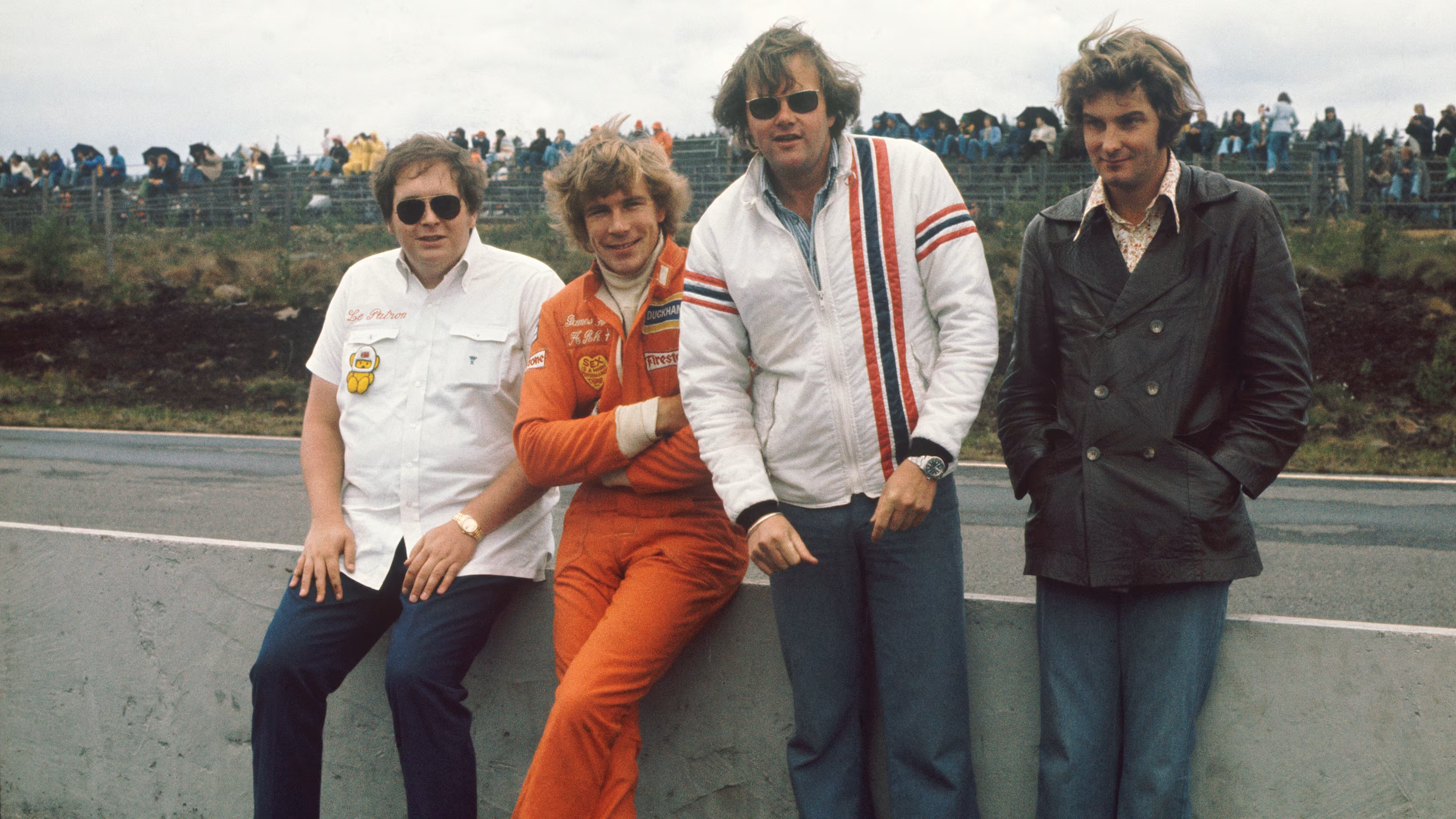
After a dressing-down and subsequent sacking by March’s Max Mosley, James made the acquaintance of one Anthony Horsley, affectionately known as “Bubbles”. Horsley and his partner, Lord Alexander Hesketh, had embarked on a bit of a racing adventure that was starting to become serious - if that term can be used in conjunction with these two fellows. With few other options, James agreed to join the Team. After a bit of messing about in Formula Two and Three, Hesketh Racing decided to take on Formula One.
Hesketh’s Easton Neston estate became home to the fledgling Formula One team, with converted stables serving as its workshop. By now, Bubbles had given up any notions of becoming a driver and focused, instead, on building a successful team. They purchased a March Formula One chassis and acquired - or, more accurately, poached - designer Harvey Postlethwaite from the same Company.
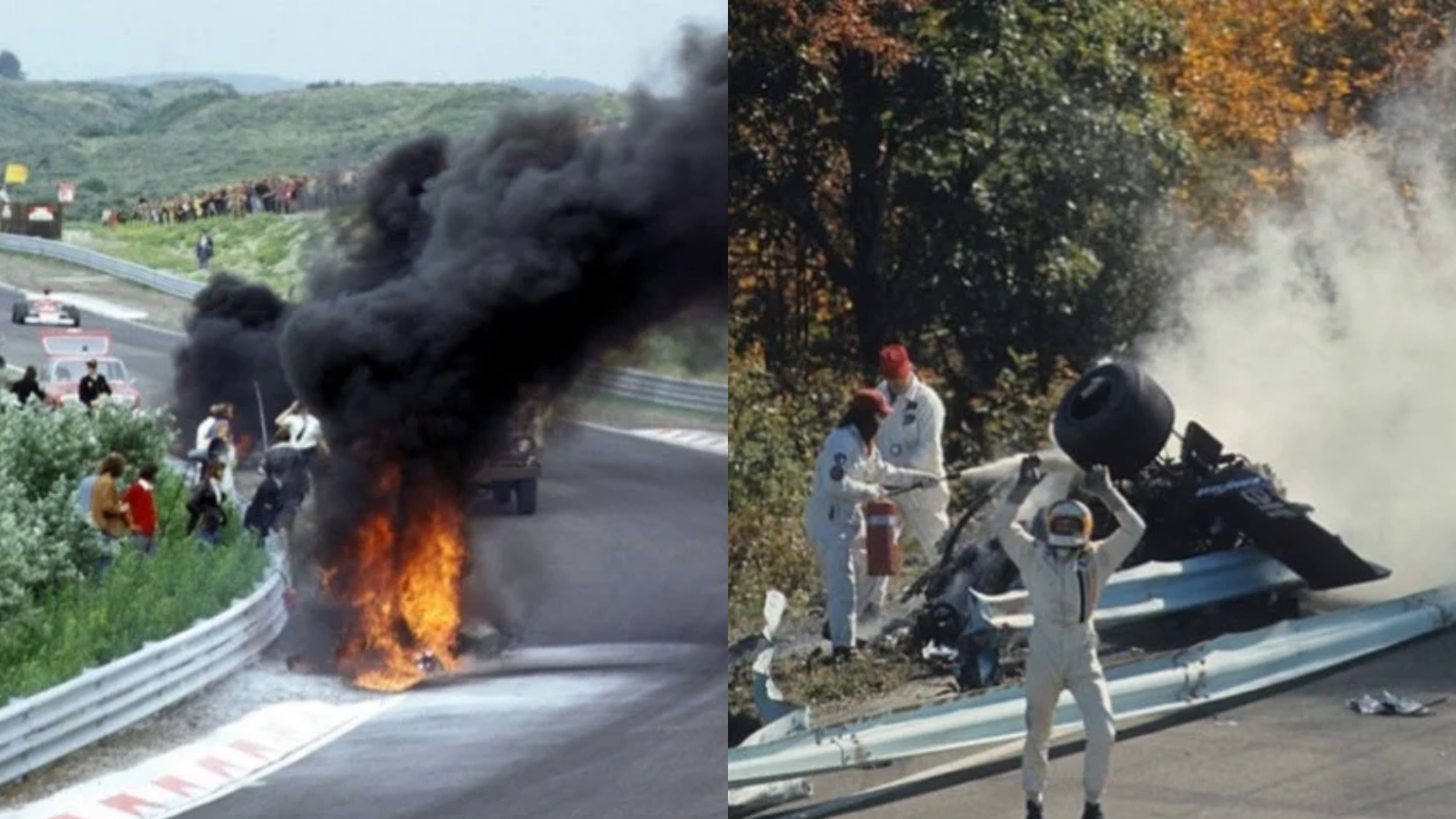
The 1973 season also reminded everyone of the dangers of Formula One, with the deaths of Roger Williamson and François Cevert. Hunt and Williamson had raced against each other in Formula Three, while Cevert was killed during practice for the US Grand Prix. At that same race, James scored an incredible second place for Hesketh Racing.
Despite some observers continuing to regard the Lord’s team as a joke, a new Harvey Postlethwaite-designed Hesketh 308 was rolled out and won on its debut at the Silverstone International Trophy, a non-championship Formula One event.
Throughout the 1974 and 1975 seasons, Hesketh Racing continued developing its cars, eventually scoring a victory at the Dutch Grand Prix. Unfortunately, the writing was on the wall. Budgets were starting to soar in Formula One, and Hesketh’s sponsorless operation could no longer compete financially. The team was forced to let James go and turn its attention to paying drivers.
For Hunt, a lifeline appeared at McLaren, courtesy of Emerson Fittipaldi, who could not reach an agreement with the team’s sponsor, Marlboro, over financial terms. Marlboro paid the drivers’ salaries, and Hunt found himself in the right place at the right time.
The 1976 season was, of course, the stuff of legend: the titanic battle between Lauda and Hunt, with James taking the championship at the eleventh hour. Off the track, Hunt was going through a divorce from his first wife, fashion model Suzy Miller, who had been having an affair with the very famous actor Richard Burton. James was also living in Spain as a British tax exile and continuing to debate his salary with Marlboro’s John Hogan, who held the purse strings.
For 1977, McLaren introduced the M26, a car that seemed to have a regular habit of failing to finish races. Hunt did manage a few wins, however, and on a fast, frightening circuit, he remained a man to beat.

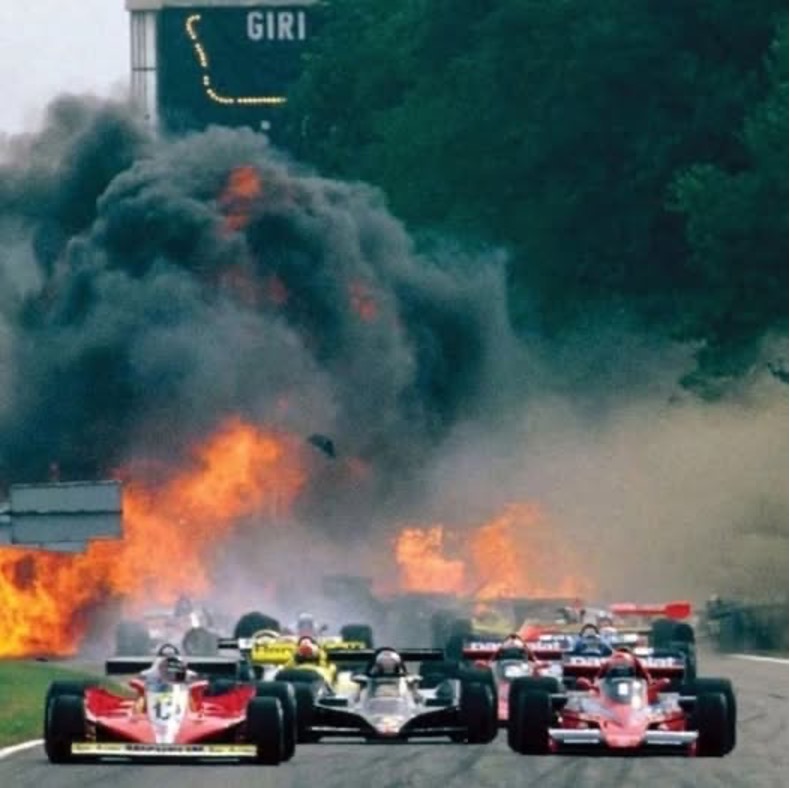
Perhaps the turning point in Hunt’s career came at the 1978 Italian Grand Prix and the death of Swedish driver Ronnie Peterson. As the cars lined up on the grid, the start was given before the front row had completely stopped. A massive collision before the first corner followed, leaving Peterson’s car in flames. Hunt, who was also involved in the crash, got out and pulled Peterson from the burning Lotus. Sadly, 24 hours later, the Swede succumbed to his injuries.
A career in broadcasting followed, with Hunt joining Murray Walker at the BBC. Walker was not particularly pleased with the choice and often made a point of complaining about Hunt’s lifestyle. It was only later in their partnership that Walker succumbed to James’s charm. While Murray made more than the odd error, James was always there to correct him. Martin Brundle, who replaced Hunt after his death, continued the tradition.
James Hunt has long since departed this world, but an astonishing amount of material about him remains. Gerald Donaldson’s biography, James Hunt, along with a host of documentaries, including The Real James Hunt and When Playboys Ruled the World, offer plenty of insight into the man and his career.
There is much to explore, so do yourself a favour: seek out the real story and stay away from the trash produced by Hollywood.
Now that you’ve read today’s blog, why not take what you’ve learned and play today’s matching quiz on your Quizefy app? Many of the answers can be found right here. We publish an on-trend, hint-filled blog at www.quizefy.com every Tuesday, along with a matching quiz in your Quizefy app. We think they’re a great combination and a great way to Strut Your Smart.