


The Olympic Games are celebrated worldwide as a stage for human achievement, athletic excellence and international unity. The motto “Citius, Altius, Fortius” (Faster, Higher, Stronger) embodies the ideal of transcending politics. Yet, history repeatedly shows that the Olympics cannot escape the political realities of the world. This past week, that reality has become highly visible at the 2026 Winter Olympics, where Ukrainian skeleton racer Vladyslav Heraskevych was expelled for wearing a helmet honoring Ukrainian athletes killed in the ongoing war with Russia.
Heraskevych’s helmet bore images of Ukrainian sports figures who lost their lives since the Russian invasion began. BTW, Russia has been barred from the Olympics since its 2022 invasion of Ukraine. While the International Olympic Committee (IOC) viewed it as a political statement, Heraskevych insisted it was a tribute, not a protest.
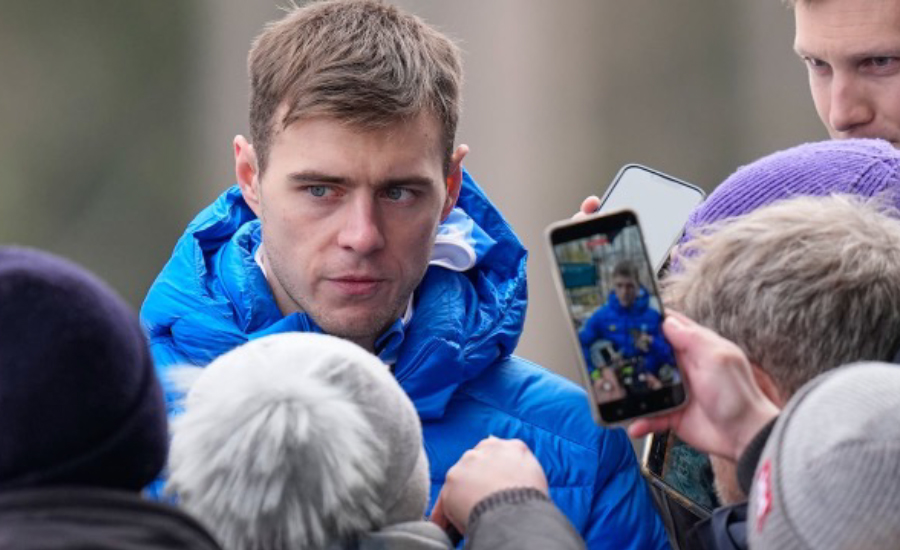
Ukrainian short track speed skater Oleh Handei was also told to remove these inspirational words from his helmet: 'Where there is heroism, there can be no final defeat” (Ukrainian poet Lina Kostenko).
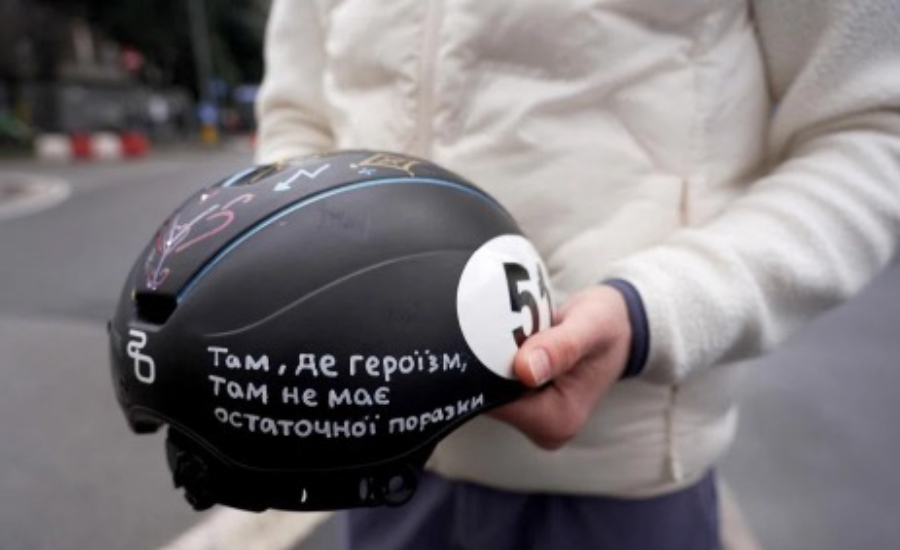
Despite offers to modify the Iryna Prots-designed helmet or use an armband, Vladyslav refused to compromise and was ultimately barred from competition. Ukrainian President Volodymyr Zelenskyy condemned the expulsion, stating that “sport shouldn’t mean amnesia” and urging the Olympic movement to stand for justice rather than neutrality.
Heraskevych says the rules were applied unfairly to him, as Israeli skeleton athlete Jared Firestone was permitted to wear a kippah bearing the names of 11 Israeli athletes and coaches killed in an attack at the 1972 Games in Munich during the Milano-Cortina opening ceremony.
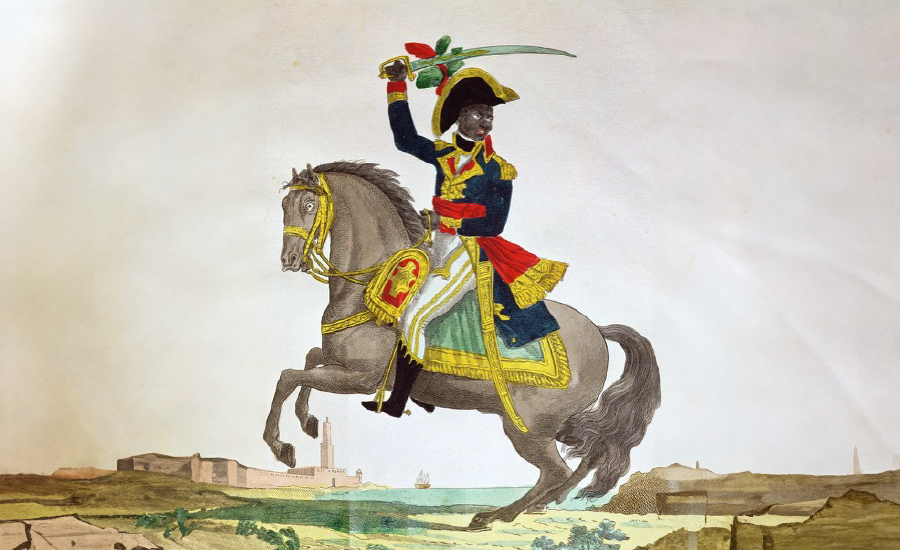
The IOC also ordered the Haitian team to remove the image of Toussaint Louverture from their opening ceremony jackets. Louverture was a former slave who led the Haitian Revolution 200 years ago.
Olympic athletes are permitted to make political statements outside of the field of play and ceremonies. At news conferences and on social media, several American athletes have criticized the United States’ aggression on immigrants, without getting kicked out of the Games and to the displeasure of Donald Trump.
“And I do not support ICE and I think it is absolutely evil and awful and terrifying. (Gus Kenworthy, British-American freestyle skier)
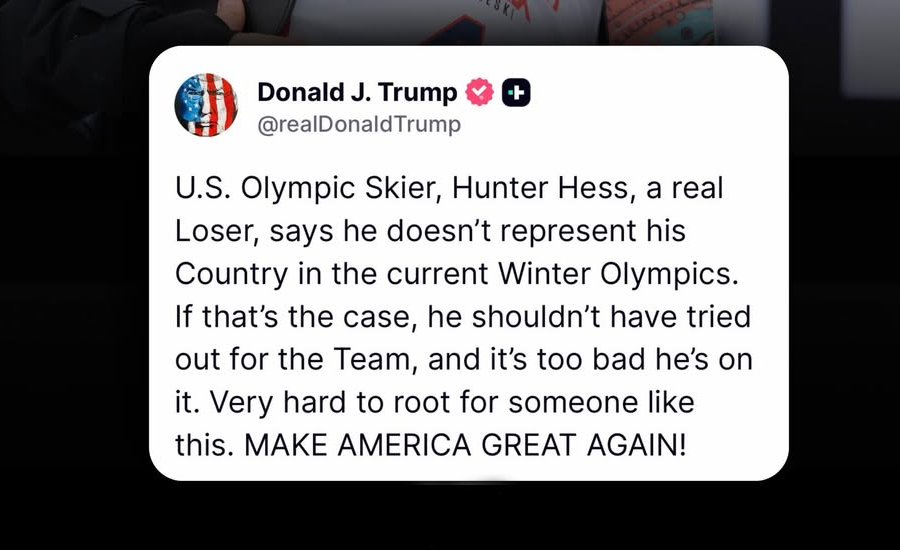
The Heraskevych incident highlights a recurring tension in Olympic history: the challenge of separating athletic performance from global politics. While the IOC enforces Rule 50, prohibiting political demonstrations, these regulations frequently collide with the personal experiences and moral convictions of athletes, who are often anything but push-overs.
Historic Boycotts and Expulsions
The modern Olympics have been a stage for political expression for decades. One of the most significant examples is the 1980 Moscow Summer Olympics, which saw over 60 countries, led by the United States, boycott the Games in protest of the Soviet invasion of Afghanistan. Four years later, the Soviet Union and its allies retaliated by boycotting the 1984 Los Angeles Olympics, illustrating how Cold War rivalries infiltrated even supposedly apolitical sporting arenas.
Political exclusion is not limited to boycotts. South Africa, for example, was banned from Olympic competition from 1964 until 1992 due to its apartheid policies. The IOC cited the principle of non-discrimination in its Charter, turning the Olympics into a platform for global social justice. Similarly, in 1976, over two dozen African nations boycotted the Montreal Olympics to protest New Zealand’s rugby tour of apartheid South Africa.
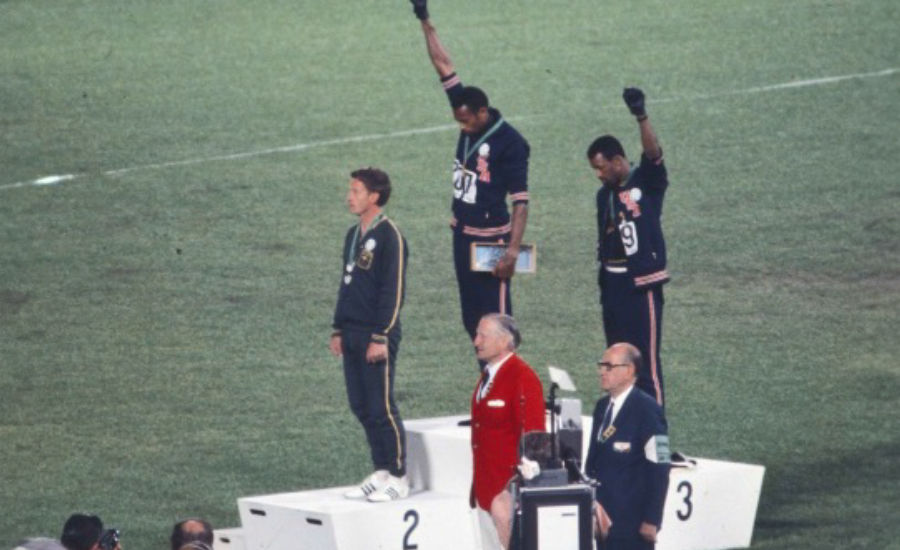
Individual athletes, too, have faced consequences for expressing political beliefs. The 1968 Mexico City Olympics remain iconic: U.S. sprinters Tommy Smith and John Carlos raised their gloved fists on the podium in a Black Power salute, drawing suspension, expulsion and worldwide attention to racial injustice.
Even symbolism in attire has led to exclusion. In 2014, Iranian judoka Saeid Mollaei was pressured to withdraw from the World Championships and Olympics to avoid competing against an Israeli athlete. His refusal highlighted how geopolitical tensions can directly affect individual careers, echoing the dilemmas faced by Heraskevych today.
The Olympics as a Mirror of Global Conflict
While the IOC’s neutrality rules aim to shield athletes from politics, these regulations can clash with athletes’ lived experiences. Heraskevych’s tribute is not merely symbolic; it is rooted in personal and national tragedy. For Ukraine, a nation that has lost hundreds of athletes in the ongoing war, neutrality is neither possible nor morally acceptable.
“I thank the flag bearer of our national team at the Winter Olympics, Vladyslav Heraskevych, for reminding the world of the price of our struggle. This truth cannot be inconvenient, inappropriate, or called a ‘political demonstration at a sporting event.’ It is a reminder to the entire world of what modern Russia is.” (Volodymyr Zelenskyy, President of Ukraine)
The tension between sportsmanship and political reality is unlikely to vanish. Each boycott, expulsion, or symbolic gesture underscores that the Olympics exist within a larger world of human conflict, ethics and national identity. While medals may celebrate speed or strength, the Games also chronicle courage, moral conviction and the persistent struggle for justice.
The case of Vladyslav Heraskevych is a reminder that the Olympics cannot be fully separated from the world’s fault lines. It challenges fans, policymakers and the IOC itself to consider: should the Games merely showcase athletic achievement or should they also reflect the moral and political realities that shape athletes’ lives?
History suggests the answer is never simple, forcing us to decide whether silence in sport is neutrality - or complicity. In my books it is complicity.