


When Serena Williams announced that she would return to professional tennis at age 44, she joined one of sport's most exclusive and risky clubs: athletes attempting to compete at the highest level long after most of their peers have retired.
The timing alone is remarkable. Serena last played competitively in 2022 at age 40. By the time she returns, she will have spent nearly four years away from professional tennis. In a sport where most players peak in their twenties and many retire before 35, a comeback at 44 is virtually unprecedented.
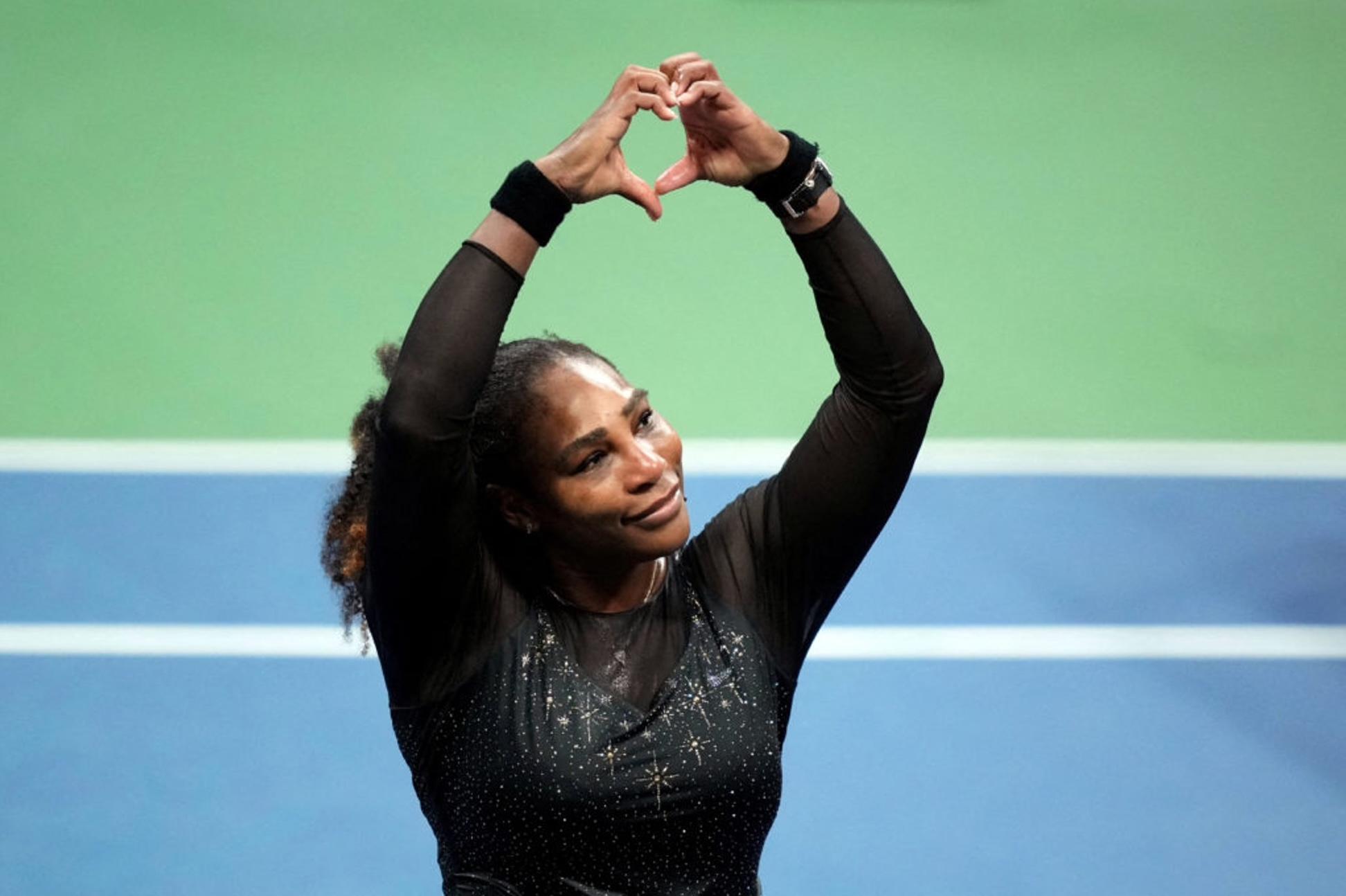
Yet history shows that age alone doesn't determine whether a comeback succeeds.
Perhaps the greatest comeback in modern sports belongs to George Foreman. After retiring from boxing at 28, Foreman spent a decade away from the ring. He returned at age 38 and, against all expectations, became heavyweight champion of the world again at age 45 after knocking out Michael Moorer in 1994. It remains one of the most astonishing achievements in sports history.
American football provides another notable example. Tom Brady retired briefly in 2022 at age 44, reversed the decision after just 40 days, and played another NFL season at 45. While not a traditional years-long comeback, Brady's longevity fundamentally changed perceptions of how long elite athletes can compete.

"Maybe some people can wake up and play PlayStation all day, but that's never been me." (Tom Brady)
Baseball has produced several examples as well. Nolan Ryan was still throwing fastballs past hitters at age 46. While he was not returning from retirement, Ryan demonstrated that elite performance can survive far longer than conventional wisdom suggests.
Tennis has seen fewer success stories. The closest comparison may be Martina Navratilova, who returned to the tour in her forties and won Grand Slam mixed doubles titles at ages 46 and 49.
So why do some athletes keep trying?
Part of the answer is psychological. Elite athletes spend decades organizing their entire identity around competition. Retirement often removes the structure, purpose and adrenaline that have defined their lives since childhood.
There is also the lure of unfinished business. Very few champions retire because they no longer love competing. More often, injuries, age, family priorities or simple exhaustion force the decision. Years later, the competitive instinct remains.
Modern sports science has made these dreams seem more realistic. Recovery technologies, personalized nutrition, advanced training methods and medical interventions have extended careers dramatically. What looked impossible at 44 twenty years ago no longer seems absurd.
Which brings us back to Serena.
Unlike many comeback stories, Serena is not returning as a curiosity. She owns 23 Grand Slam singles titles and was still capable of defeating top-ranked opponents during her final season. Her challenge is not talent, it's time.
A major unknown is her use of Zepbound. It has helped her reduce weight and improve metabolic health, it could lessen stress on joints, improve recovery and make training more sustainable. For an athlete in her forties, those benefits are significant.
But Zepbound cannot restore match sharpness, reaction speed or the instinctive timing developed through years of weekly competition. Tennis remains one of the most physically demanding sports in the world, requiring explosive movement and endurance against opponents often half her age.
Then again, Serena Williams has spent her entire career making predictions look foolish. At 44, she is about to test the limits of sporting longevity once again. We wish her every success.
"I have never liked the word retirement.” (Serena Williams)