


Venezuela sits on the northern coast of South America, bordering Colombia, Brazil, Guyana and the Caribbean Sea.
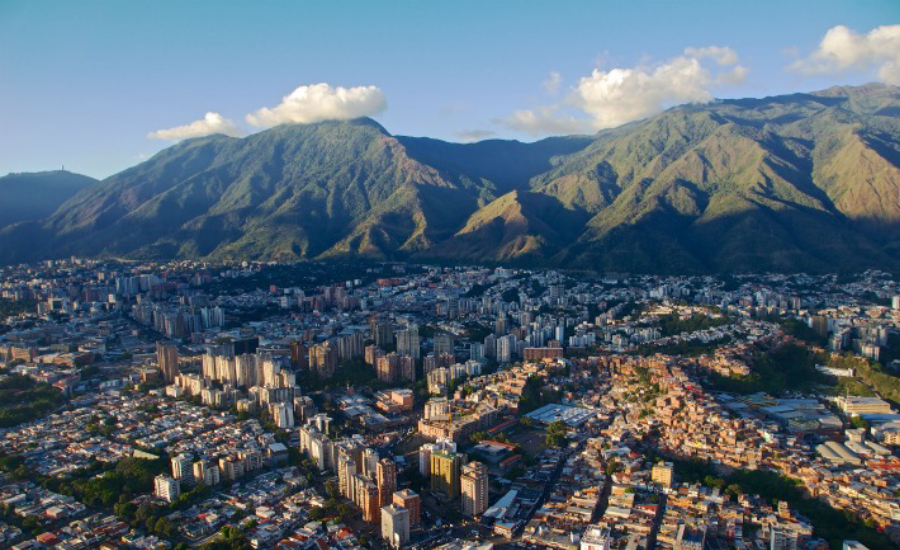
The Country is slightly smaller than Texas, with 28 million inhabitants. Its recently bombed capital city is Caracas, situated in a mountain valley near the coast. Spanish is Venezuela’s official language.
Why is Venezuela an important country? That’s an easy question: it has the world’s largest oil reserves.
Indigenous peoples occupied the area until it was “discovered” during the Age of Exploration by Christopher Columbus (1498). His crew described stilted houses along the shore, which reminded them of Venice - hence the name “Venezuela”, meaning “Little Venice”. Columbus did not establish permanent settlements; his goal was exploration, mapping and claiming territories for Spain.
Caracas was established in 1567, along with widespread colonization. During the 1600s and 1700s, Venezuela became part of the Captaincy General of Venezuela, with an economy based on agriculture, cacao exports and mining, relying on Indigenous labor and African slaves. Social hierarchies placed Spanish-born elites above creoles, mestizos, Indigenous peoples and enslaved Africans, while European Enlightenment ideas inspired local intellectuals.
By the late 1700s, small revolts and growing dissatisfaction set the stage for independence, which was formally declared on July 5, 1811, ending over 3 centuries of Spanish colonial rule.
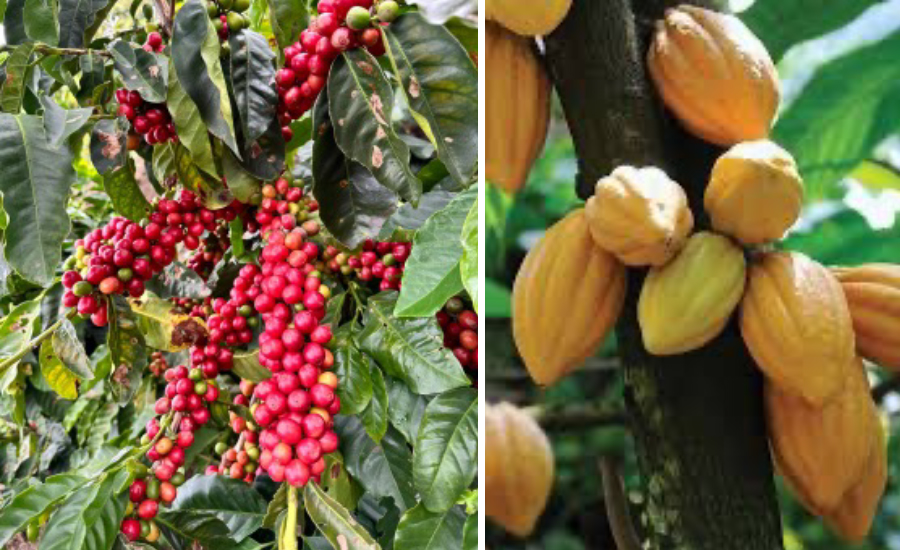
The 19th century was marked by political instability, civil wars and regional strongmen known as caudillos, though leaders like Antonio Guzmán Blanco modernized infrastructure, education and government administration. Throughout this period, Venezuela remained largely agrarian, exporting coffee, cocoa and livestock; oil existed in small quantities but was not yet exploited commercially.
By the late 1800s and early 1900s, the stage was set for a new economic era: Venezuela’s vast oil reserves - already known to geologists - would soon transform the nation, fueling urbanization, international attention and major changes in both society and politics.
The first commercial discovery of oil came in 1914 at the Mene Grande field, with the famous Zamora #1 well. Initial production was small, but it marked the start of Venezuela’s transformation.
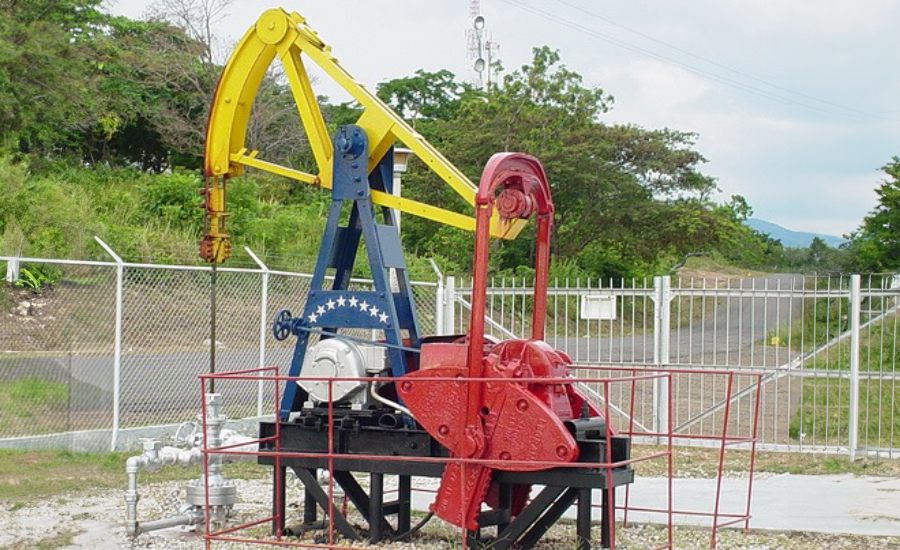
By the 1920s, major international oil companies, including Standard Oil of New Jersey (later Exxon), Royal Dutch Shell and Gulf Oil moved in to explore and develop Venezuela’s oil fields. These companies brought modern drilling technology, pipelines and refineries, creating the infrastructure that would support decades of growth.
By the 1930s Venezuela was producing hundreds of thousands of barrels per day, making it one of the world’s leading oil exporters. These early developments set the stage for Venezuela’s long-term strategic importance in the global oil market.
From the 1950s through the early 2000s, U.S. refineries relied heavily on Venezuelan heavy crude. This extra-heavy, sour oil perfectly suited Gulf Coast refineries, designed to process thick crude into diesel, fuel oil and asphalt.
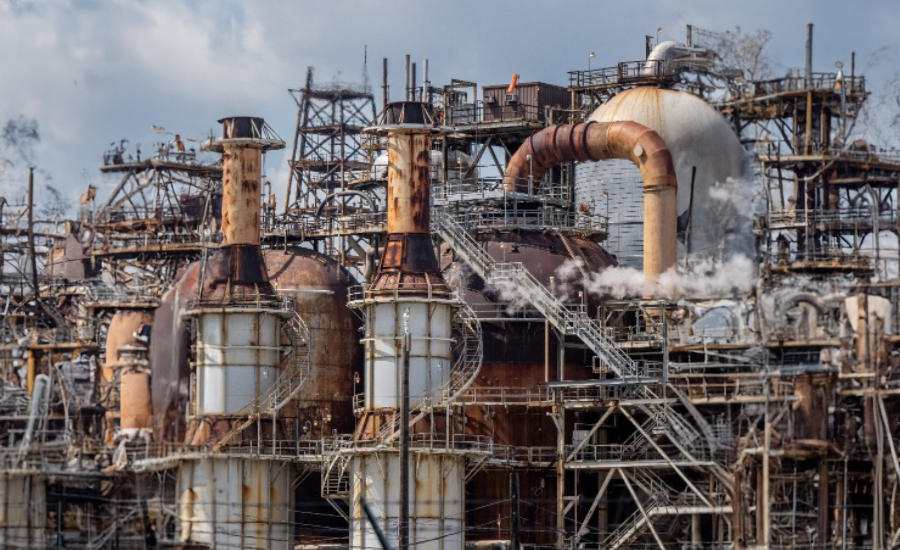
“Extra heavy sour crude oil is a very thick, dense type of oil that contains a high amount of sulfur, which makes it harder to refine. Despite this, many U.S. refineries, especially on the Gulf Coast, are specifically built to process sour crude, removing the sulfur and turning it into gasoline, diesel, jet fuel and other products. Sour crude is generally cheaper than lighter, sweeter oils because it requires more work to refine, so refineries that can handle it can take advantage of the lower cost while still producing the fuels and products we use every day.”
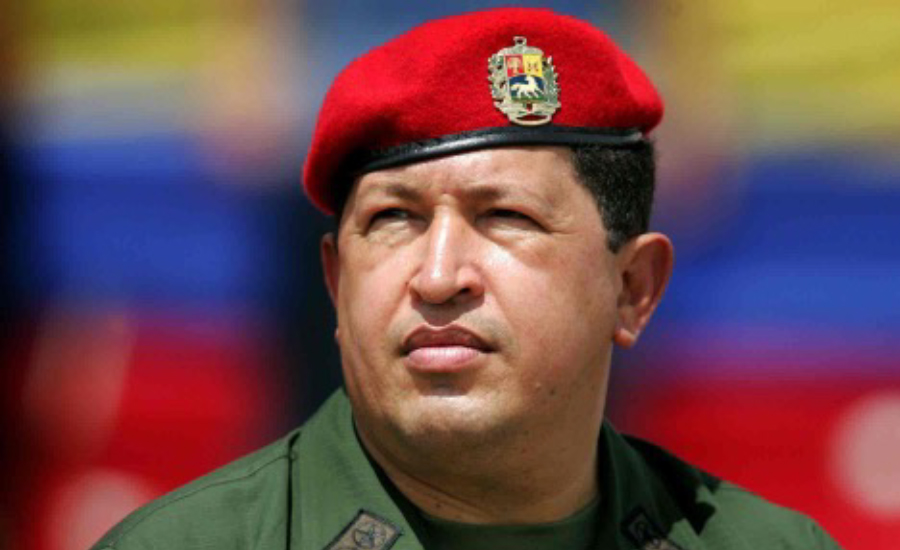
Foreign oil companies did very well, but eventually left Venezuela due to the Country’s shift toward nationalization and state control of its oil industry. Starting in the 1970s, the government created PDVSA and gradually took over foreign-operated projects, initially through mandatory buyouts and later by requiring majority state ownership. This process accelerated under Hugo Chávez in the 2000s, when policies forced foreign companies like ExxonMobil, ConocoPhillips and Chevron to either sell their assets or leave, effectively ending most foreign influence in Venezuelan oil. Political instability, strict government regulations and economic mismanagement made continued operations unprofitable, leaving PDVSA in near-total control but also contributing to a sharp decline in production.
Ongoing Political instability and sanctions caused U.S. imports from Venezuela to collapse, leaving a gap that Canada would eventually fill.
Canada, especially Alberta’s oil sands, produces heavy crude that is logistically easier and more reliable than Venezuelan oil. Expansive pipelines deliver Canadian oil directly to U.S. refineries, making it a cost-effective and politically stable alternative.
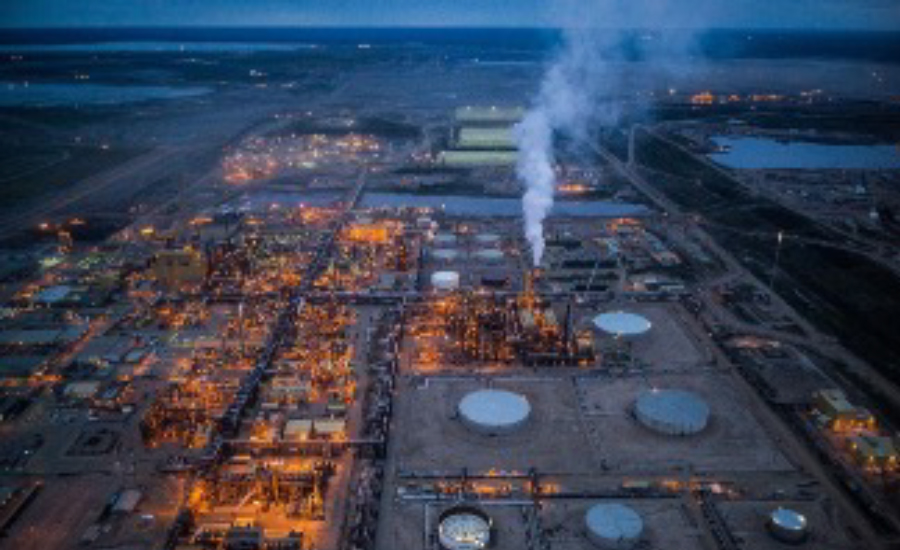
Today, Canada is the largest foreign supplier of U.S. oil, often providing over 50% of imports. Its proximity and infrastructure make it the backbone of North American heavy oil supply.
A politically stable Venezuela could re-enter the heavy oil market and complement Canadian supply. U.S. refineries would blend Venezuelan crude with lighter domestic shale oil, taking advantage of the extra-heavy crude for specialized projects.
Market competition: Canadian oil might face slight pressure on oil prices
Refinery flexibility: U.S. refineries would have more supply options, reducing single-source dependence
Strategic advantage: Canada would retain logistical advantages while having the flexibility to export elsewhere if U.S. demand shifts
If sanctions are lifted, international oil companies could return to Venezuela by:
- Partnering with PDVSA, the state-owned oil company, through joint ventures
- Investing in infrastructure upgrades, since decades of underinvestment have left facilities outdated
- Applying specialized extraction technology to efficiently process Venezuela’s extra-heavy crude
This would allow Venezuela to quickly scale up production, making it a key player in the North American heavy crude market once again.
The Big Picture
Venezuela’s heavy crude remains strategically important, but Canada’s proximity, reliability and infrastructure make it the dominant supplier for now. A stable Venezuela would reintroduce a valuable, albeit more complex, source of oil, shaping pricing, blending strategies and supply security.